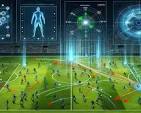

Applying Sport and Exercise Sciences to Coaching Training in Nigeria
Sports development in Nigeria continues to evolve, with athletes, clubs, and organizations seeking ways to maximize performance and achieve competitive success both locally and internationally. One of the most effective methods of bridging the gap between raw talent and elite performance is the integration of sport and exercise sciences into coaching practices.
This interdisciplinary approach draws on physiology, biomechanics, psychology, and nutrition to enhance athlete development and performance.
The Applying Sport and Exercise Sciences to Coaching Training in Nigeria, available on Leanora.ng, is designed to provide coaches, trainers, and sports professionals with the knowledge and skills to apply scientific principles in practical coaching environments.
By merging theory with practice, this course helps professionals unlock the full potential of athletes while minimizing injury risks and improving long-term performance outcomes.
Why Sport and Exercise Sciences Matter in Coaching
Traditionally, coaching relied heavily on experience, observation, and intuition. While these elements remain important, modern sports demand evidence-based practices. Sport and exercise sciences bring measurable, scientific insights that help coaches make better decisions.
For example, exercise physiology provides an understanding of how the body responds to training and recovery, allowing for more effective program design. Biomechanics helps coaches analyze movement to improve technique and reduce injury risks. Sports psychology supports mental resilience and focus, while nutrition science ensures athletes are fueled properly for peak performance.
Incorporating these sciences into coaching allows Nigerian coaches to prepare athletes to compete at international standards, where marginal gains often separate winners from the rest.
What the Training Covers
The Applying Sport and Exercise Sciences to Coaching Training in Nigeria is structured to cover a wide range of topics. Participants learn how to apply principles of exercise physiology to design training programs that balance intensity, volume, and recovery. Modules on biomechanics explore correct movement patterns, injury prevention strategies, and performance optimization.
Sports psychology components address motivation, stress management, confidence building, and concentration techniques, all of which are crucial in high-pressure competitive environments. Nutrition is also emphasized, as athletes require carefully tailored diets to perform consistently and recover effectively.
The training also equips coaches with tools for performance analysis, data interpretation, and the integration of technology in monitoring progress. Through practical sessions, case studies, and real-world examples, participants learn how to translate theory into actionable coaching strategies.
Benefits of the Training
One of the most significant benefits of this training is its focus on equipping coaches to deliver results-driven programs. Athletes benefit from scientifically designed training that enhances performance and minimizes injury risks, while organizations and sports clubs benefit from higher success rates and improved competitiveness.
For coaches, this course provides professional growth and recognition. By applying sport and exercise sciences, they stand out in a competitive field and become valuable assets to sports academies, professional clubs, universities, and national teams.
The course also emphasizes athlete well-being, ensuring long-term development rather than short-term success. Coaches learn to balance performance goals with athlete health, ensuring sustainable careers for sports professionals under their guidance.
Relevance to Nigeria’s Sports Development
Nigeria has a rich history of producing world-class athletes in football, athletics, basketball, boxing, and more. However, limited access to modern coaching methodologies often hinders consistent performance on the global stage. By adopting scientific approaches to coaching, Nigerian sports can bridge this gap.
The Applying Sport and Exercise Sciences to Coaching Training in Nigeria supports national goals of developing structured sports programs, enhancing grassroots development, and preparing athletes for continental and global competitions. As more coaches integrate these sciences into their methods, Nigeria’s chances of sustained sporting success will continue to rise.
Why Choose Leanora.ng
Through Leanora.ng, participants can conveniently access this training alongside many other professional development programs. The platform connects learners with expert trainers, structured learning materials, and certifications that add credibility to their careers.
Leanora.ng provides a flexible learning environment—whether through online sessions or in-person workshops—making it easier for busy professionals to acquire new skills. Trainers also benefit from the platform by listing their courses for free, reaching a large community of learners seeking professional advancement in sports, engineering, management, and other fields.
The integration of sport and exercise sciences into coaching is no longer optional; it is essential for achieving excellence in modern sports. The Applying Sport and Exercise Sciences to Coaching Training in Nigeria equips coaches with the knowledge and tools to transform athletes’ performance, reduce injuries, and ensure long-term success.
By joining this training on Leanora.ng, coaches and sports professionals can elevate their careers while contributing to Nigeria’s broader sports development agenda. Learners can explore this course and many others on the platform, while trainers have the opportunity to list their trainings for free, expanding their reach to thousands of eager learners across the country.