
Business Seminars for HR Professionals in Nigeria
Human Resource (HR) professionals play a vital role in shaping organizational culture, managing talent, and ensuring that businesses remain compliant with labor laws and employment standards. In Nigeria, the role of HR has evolved beyond traditional functions like recruitment and payroll management.
Today, HR professionals are expected to drive strategic growth, improve employee engagement, support diversity and inclusion, and align workforce management with long-term corporate goals. One of the most effective ways to stay ahead in this dynamic field is by participating in business seminars for HR professionals.
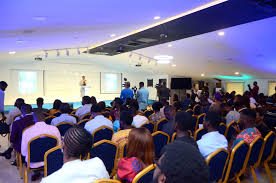
Business seminars offer Nigerian HR practitioners the opportunity to deepen their expertise, keep up with global HR trends, and acquire the skills necessary to meet local workplace challenges. These training events also provide platforms for networking, sharing experiences, and building professional capacity.
The Nigerian workplace has undergone massive transformation in the last two decades. Factors such as globalization, technology adoption, remote work, demographic changes, and increased demand for employee rights have significantly influenced the HR profession. The COVID-19 pandemic accelerated these changes, forcing companies to rethink employee well-being, remote workforce management, and digital HR systems.
In this evolving environment, HR professionals are under pressure to adopt new approaches to talent management, foster employee engagement, and align workforce strategies with business sustainability. Business seminars provide practical training to help HR managers and executives meet these new demands.
HR is not just about people management—it is also about understanding business strategy and how people contribute to profitability. Business seminars expose HR professionals in Nigeria to leadership practices, organizational development frameworks, and compliance strategies that help them become more effective business partners.
Through seminars, HR professionals gain insights into emerging HR technologies such as Human Capital Management (HCM) systems, HR analytics, artificial intelligence in recruitment, and performance management tools. They also learn about legal frameworks like Nigeria’s Labour Act, pension regulations, employee data protection rules, and workplace dispute resolution strategies.
One of the biggest gaps in the Nigerian HR sector is the lack of strategic leadership. Many HR managers are still focused on administrative tasks, leaving little room for strategic contributions. Business seminars equip HR leaders with the knowledge to move beyond administration to become strategic partners in business growth.
By attending these events, HR professionals can develop skills in change management, corporate governance, workforce planning, and organizational transformation. This ensures they can effectively contribute to long-term decision-making at board level.
Business seminars also serve as platforms for HR professionals to network with peers, industry leaders, and thought leaders. In Nigeria, where business success often relies on professional networks, these connections are invaluable. They allow HR professionals to share best practices, learn from real-life case studies, and explore collaborative opportunities with other companies.
Networking also contributes to career development. HR professionals who actively participate in seminars position themselves for promotions, job offers, and consulting opportunities by showcasing their knowledge and expertise.
Nigeria’s workplaces are diverse and sometimes complex, with challenges such as cultural diversity, labor disputes, poor employee engagement, and skill shortages. Business seminars help HR professionals gain the skills to address these challenges effectively. For instance, sessions may focus on conflict resolution strategies, workplace ethics, employee wellness programs, and the role of HR in sustainability initiatives.
By learning practical approaches during seminars, HR professionals return to their organizations equipped with tools to boost productivity, foster employee loyalty, and create inclusive workplaces.
Technology is redefining the HR profession worldwide, and Nigeria is no exception. HR professionals must understand how to integrate digital tools into HR functions, from recruitment and onboarding to performance tracking and employee engagement. Business seminars provide training on digital HR solutions, including HR software, data analytics, virtual team management, and artificial intelligence applications in human resource practices.
Seminars also prepare HR professionals for the “future of work” in Nigeria. They address critical topics such as remote and hybrid work models, gig economy employment, skills development for younger workforces, and preparing organizations for automation-driven changes.
One of the most critical responsibilities of HR professionals is ensuring compliance with Nigeria’s labor laws and regulations. Business seminars provide in-depth sessions on laws governing employment contracts, employee benefits, workplace safety, pensions, data privacy, and dispute resolution. Staying updated with these legal requirements not only protects businesses from penalties but also strengthens employer-employee relations.
As Nigeria’s economy continues to diversify and integrate into global markets, the demand for well-trained HR professionals will continue to rise. Business seminars will evolve to cover new areas such as ESG (Environmental, Social, and Governance) compliance, diversity and inclusion, digital transformation, and employee mental health.
Hybrid seminar models—combining physical and online sessions—are also expected to dominate, ensuring HR professionals across Nigeria, even in remote areas, can access top-quality training without geographical limitations.
Business seminars are more than training sessions for Nigerian HR professionals—they are strategic platforms for growth, transformation, and leadership development. They help HR managers transition from administrative roles to becoming influential business partners who drive organizational success.
Through seminars, HR professionals gain expertise in digital HR, labor law compliance, ethical leadership, and employee engagement, positioning themselves as key players in the Nigerian business landscape.
For HR professionals seeking to remain relevant and competitive in Nigeria’s evolving workplace, attending business seminars is no longer optional—it is a necessity. These learning platforms not only enhance professional development but also strengthen the overall capacity of Nigerian organizations to thrive in an increasingly globalized economy.
To explore HR-focused business seminars and professional development trainings in Nigeria, visit Learnora.ng. On Learnora.ng, learners can access various business and workplace-related training programs, while trainers and facilitators can list their seminars for free to reach a wider audience.