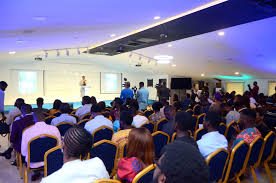

Bookkeeping and Accounting Trainings for SMEs in Nigeria
In today’s highly competitive business environment, small and medium-sized enterprises (SMEs) in Nigeria must prioritize financial literacy and sound accounting practices to survive and thrive. Bookkeeping and accounting are the backbone of any successful business, as they ensure proper management of financial resources, accurate record-keeping, and compliance with regulatory requirements.
Unfortunately, many Nigerian SMEs struggle with financial management due to limited knowledge of accounting processes, tax obligations, and reporting standards. This is where bookkeeping and accounting trainings in Nigeria play a crucial role.
The Importance of Bookkeeping and Accounting for SMEs
Bookkeeping is the systematic recording of financial transactions, while accounting involves interpreting, analyzing, and summarizing those records for decision-making. For SMEs in Nigeria, these practices are vital for several reasons. Proper bookkeeping allows business owners to track income, expenses, assets, and liabilities, ensuring transparency and accountability. Accounting, on the other hand, transforms raw financial data into meaningful insights, helping entrepreneurs make informed business decisions.
Without proper financial records, SMEs risk mismanaging cash flow, underreporting or overreporting profits, and falling short on tax compliance. Furthermore, poorly managed finances can hinder access to loans, grants, and investment opportunities, since financial institutions and investors rely heavily on accurate accounts when assessing a company’s credibility.
Why Training is Essential for Nigerian SMEs
Many entrepreneurs start businesses in Nigeria without adequate financial management skills. They may excel in production, sales, or customer service but often struggle with accounting fundamentals. Bookkeeping and accounting trainings for SMEs in Nigeria are designed to close this knowledge gap.
These trainings equip SME owners and their staff with the skills needed to:
Record transactions accurately.
Prepare financial statements such as income statements, balance sheets, and cash flow reports.
Comply with tax regulations, including VAT, PAYE, and company income tax.
Use accounting software such as QuickBooks, Sage, or Xero for efficiency.
Manage payroll and employee benefits.
Understand financial ratios and performance metrics to measure business growth.
Through structured training programs, SMEs can avoid common financial pitfalls and build stronger, more sustainable businesses.
Components of Bookkeeping and Accounting Trainings
In Nigeria, bookkeeping and accounting trainings typically cover both fundamental and advanced topics tailored to SME needs. Participants are introduced to double-entry bookkeeping principles, journal entries, ledger management, and reconciliation of accounts. Trainings also emphasize the preparation of essential financial statements that meet both internal management needs and external regulatory requirements.
Another key aspect of these trainings is taxation compliance. Nigerian SMEs must adhere to Federal Inland Revenue Service (FIRS) and State Internal Revenue Service (SIRS) regulations. Training sessions provide detailed guidance on VAT, withholding tax, corporate income tax, and proper record-keeping to avoid penalties.
Additionally, with the global shift toward digitalization, many trainings focus on the use of modern accounting software. By adopting technology, SMEs can save time, reduce errors, and generate real-time financial reports.
Benefits of Bookkeeping and Accounting Trainings for SMEs
SMEs that invest in bookkeeping and accounting trainings in Nigeria stand to gain several long-term benefits. The first is improved financial management, as accurate record-keeping leads to better decision-making and strategic planning. Businesses also gain greater access to funding opportunities, since proper financial statements are often required by banks and investors.
Another benefit is regulatory compliance. Nigerian tax laws can be complex, and failure to comply can result in heavy penalties. Trainings ensure that SMEs understand their obligations and remain compliant.
Furthermore, staff who undergo these trainings become more efficient in handling company finances, which reduces the reliance on external accountants and cuts down operating costs. This ultimately boosts profitability and sustainability.
Challenges Nigerian SMEs Face in Financial Training
Despite the benefits, not all SMEs in Nigeria have embraced bookkeeping and accounting trainings. One major challenge is cost, as some entrepreneurs view training as an unnecessary expense rather than an investment. There is also the issue of time, with many SME owners consumed by daily operations and unable to dedicate time for capacity-building.
Another challenge is the lack of awareness. Many SMEs do not even know that specialized bookkeeping and accounting training programs exist in Nigeria. Bridging this awareness gap is crucial to improving financial literacy across the SME sector.
The Role of Technology in Training Delivery
With the rise of online training platforms in Nigeria, bookkeeping and accounting education has become more accessible. SMEs can now access online courses, webinars, and workshops that fit into their schedules. This flexibility reduces the barrier of time and location while also making training more affordable.
Digital tools such as Learnora.ng, an online platform for trainings in Nigeria, make it possible for business owners and employees to enroll in tailored financial management courses. This ensures that even SMEs in remote areas can benefit from quality financial education.
For Nigerian SMEs, financial literacy is no longer optional—it is a necessity. Bookkeeping and accounting form the foundation of sound business management, ensuring transparency, accountability, and growth. By investing in bookkeeping and accounting trainings in Nigeria, SMEs can enhance their financial practices, comply with regulations, and increase their chances of securing funding.
With the growing availability of both in-person and online training options, SMEs now have greater opportunities to upskill themselves and their teams. Ultimately, strong financial management will enable Nigerian SMEs to compete locally and globally, driving economic growth and job creation.
Business owners, managers, and staff members looking to improve their financial skills should explore the wide range of bookkeeping and accounting trainings for SMEs in Nigeria.
You can access these and other trainings across various sectors on Learnora.ng, where trainers and training companies can also list their trainings for free.