
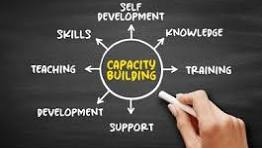
Capacity Building Training in Nigeria: Strengthening Skills for National Growth
Capacity building training in Nigeria has become a critical tool for equipping individuals, organizations, and institutions with the knowledge, skills, and resources they need to perform effectively. In a rapidly changing world where industries are evolving and new technologies are reshaping economies, the demand for continuous learning and institutional strengthening is more important than ever.
For Nigeria, a country with enormous human and natural resources, capacity building is essential to unlocking national potential and achieving sustainable development.
What is Capacity Building Training?
Capacity building training refers to structured learning initiatives aimed at enhancing the abilities of individuals, organizations, and institutions to deliver better outcomes. It goes beyond technical training—it includes leadership development, organizational effectiveness, governance, innovation, and sustainability.
In Nigeria, capacity building training plays a vital role in preparing professionals for the challenges of globalization, digital transformation, and sector-specific demands.
Importance of Capacity Building Training in Nigeria
Capacity building training is a foundation for national progress. Its importance can be seen in:
Workforce Development: By equipping employees with updated skills, organizations improve efficiency and competitiveness.
Institutional Strengthening: Training supports government agencies, NGOs, and businesses in policy implementation, project management, and service delivery.
Leadership Development: It prepares leaders to handle complex decision-making, innovation, and change management.
Poverty Reduction: Empowering individuals with new skills increases employability and supports entrepreneurship.
Sustainable Development: Human capital development ensures Nigeria can meet both its national development agenda and global sustainability goals.
Key Areas of Capacity Building Training in Nigeria
Public Sector and Governance
Government agencies benefit from training in policy formulation, project management, public finance, and governance. Capacity building enhances transparency, accountability, and service delivery.
Private Sector Development
Organizations in finance, oil and gas, ICT, agriculture, and healthcare require capacity building in areas like leadership, strategy, and performance management to remain competitive.
ICT and Digital Transformation
With the Fourth Industrial Revolution reshaping industries, capacity building training in ICT, data analytics, cybersecurity, and artificial intelligence is critical.
Education and Research
Teachers, lecturers, and researchers undergo continuous training in modern pedagogy, curriculum development, and research methodologies to improve learning outcomes.
Civil Society and NGOs
Non-profit organizations benefit from training in project implementation, fundraising, advocacy, and monitoring and evaluation.
Entrepreneurship and SMEs
Capacity building for small and medium enterprises focuses on financial literacy, marketing, digital business, and innovation to support economic diversification.
Challenges Facing Capacity Building Training in Nigeria
Despite its importance, capacity building training in Nigeria faces challenges such as:
Insufficient Funding: Many programs lack adequate financial support.
Skills Mismatch: Training sometimes fails to align with industry needs.
Poor Infrastructure: Outdated facilities and limited access to modern tools reduce effectiveness.
Brain Drain: Skilled professionals often leave Nigeria for better opportunities abroad.
Limited Awareness: Some individuals and organizations are unaware of available training opportunities.
Strategies to Improve Capacity Building Training in Nigeria
To maximize impact, Nigeria needs to:
Invest more in human capital development by funding training programs across sectors.
Foster public-private partnerships to deliver industry-relevant training.
Expand access to digital learning platforms for inclusive participation.
Develop industry-aligned curricula that prepare professionals for current and future demands.
Create incentives to retain skilled professionals and reduce brain drain.
The Future of Capacity Building Training in Nigeria
The future of capacity building training in Nigeria lies in embracing innovation and technology. Online and blended learning will expand access, while international collaborations will bring global best practices to Nigerian industries.
Areas such as renewable energy, fintech, e-governance, and climate resilience will shape future capacity-building initiatives. By prioritizing skills development and institutional strengthening, Nigeria can position itself as a leader in Africa’s knowledge economy.
Capacity building training in Nigeria is essential for unlocking the country’s potential and driving sustainable growth. It equips individuals with relevant skills, strengthens organizations, and ensures institutions can meet global standards. By investing in capacity building, Nigeria not only empowers its people but also lays the foundation for long-term economic and social development.
To explore a wide range of capacity building trainings across every sector of the Nigerian economy, visit Learnora.ng. The platform connects learners with top-quality training opportunities, while trainers and training providers can list their programs for free, reaching thousands of professionals nationwide.