
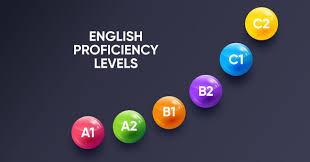
English Language Proficiency Training in Nigeria
English is not only Nigeria’s official language but also the global language of business, education, technology, and diplomacy. For decades, English has served as a unifying medium in Nigeria, helping to bridge the gap among over 500 local languages. In today’s competitive world, English language proficiency is more than just a communication tool; it is a gateway to academic excellence, career advancement, and international opportunities.
In Nigeria, proficiency in English determines performance in schools, employability in the labor market, and competitiveness in global industries. However, despite being the official language, many Nigerians struggle with fluency, vocabulary, grammar, pronunciation, and confidence in both written and spoken English. This gap underscores the importance of structured English Language Proficiency Training across the country.
This article explores the state of English language proficiency in Nigeria, the opportunities and challenges of training programs, their impact on education and professional growth, and how platforms like Learnora.ng are making English training more accessible to Nigerians.
Importance of English Language Proficiency in Nigeria
The significance of English in Nigeria cannot be overstated. It is the medium of instruction in schools, the language of government, law, media, and corporate communication. Proficiency in English opens doors to multiple opportunities:
Academic Success: Students who are fluent in English perform better in national exams such as WAEC, NECO, and JAMB, and they have a greater chance of excelling in universities both locally and abroad.
Career Advancement: Many multinational corporations, banks, oil and gas companies, and ICT firms in Nigeria prioritize candidates who can communicate clearly in English.
Global Mobility: For Nigerians seeking opportunities abroad, passing proficiency tests like IELTS, TOEFL, and PTE is a requirement for admission into foreign universities or for securing work permits.
Social Interaction and Confidence: English allows Nigerians from diverse backgrounds to communicate effectively, participate in national conversations, and integrate into international platforms.
Thus, English proficiency is not only an academic or professional requirement—it is a life skill that boosts confidence, employability, and competitiveness.
Current Challenges in English Proficiency in Nigeria
Despite its importance, Nigeria faces several challenges when it comes to English language proficiency:
Many schools, especially in rural areas, lack qualified English teachers, leading to poor foundations in grammar and vocabulary. Overcrowded classrooms and limited resources further worsen the situation. The dominance of local languages in daily communication also affects fluency in English, particularly in speaking and writing.
In addition, while universities and workplaces emphasize English proficiency, not everyone has access to formal training. Preparation for international exams like IELTS or TOEFL can be expensive, making it difficult for low-income Nigerians to participate. There is also the challenge of confidence. Many people, especially students and job seekers, have the knowledge but lack the confidence to speak English fluently in public.
The Rise of English Language Proficiency Training in Nigeria
To address these challenges, English language proficiency training programs have gained popularity in Nigeria. These training sessions are designed to improve fluency, comprehension, writing, listening, and speaking skills. They are offered by private training institutes, language centers, universities, online platforms, and even government-supported initiatives.
Some training programs focus on general proficiency, helping learners build everyday communication skills, while others are tailored for academic purposes such as WAEC, JAMB, or university courses. Additionally, specialized training prepares individuals for international exams like IELTS, TOEFL, PTE, or Cambridge English Tests, which are essential for Nigerians seeking opportunities abroad.
Features of Effective English Language Training in Nigeria
The best training programs in Nigeria focus on practical and interactive learning. They emphasize not only grammar rules but also real-life applications such as debates, presentations, essay writing, and group discussions. Technology has also made English training more engaging. Online classes, language learning apps, and digital learning platforms now allow learners to practice anytime and anywhere.
Another key feature is exam preparation support. Since many Nigerians require certification to study or work abroad, training centers now offer mock tests, past questions, and personalized coaching for IELTS, TOEFL, and other international exams.
In addition, professional communication is now a focus area. Business English training programs help professionals improve email writing, presentation delivery, negotiation skills, and workplace communication. This has become especially important in industries such as oil and gas, finance, ICT, and media.
Public vs. Private English Proficiency Training
In Nigeria, English training programs are available in both public and private forms. Public training, often conducted by government agencies or schools, is more affordable and accessible but sometimes lacks the quality and customization required. Private training, on the other hand, offers more flexibility and personalized coaching, although it is often more expensive.
For instance, universities may run English proficiency programs for undergraduates, while private institutions like language schools provide intensive coaching for IELTS or TOEFL. Online platforms, including Learnora.ng, now bridge the gap by offering affordable, flexible, and accessible training to learners across Nigeria.
English Proficiency and Career Growth in Nigeria
The impact of English language training on career growth is undeniable. In Nigeria’s labor market, employers often test applicants’ communication skills during job interviews. Proficiency in English makes candidates stand out, particularly for roles in customer service, sales, journalism, law, education, healthcare, and international business.
Moreover, professionals with strong English skills can advance faster in their careers. They can lead meetings, negotiate contracts, represent companies at global conferences, and communicate effectively with international partners. For entrepreneurs, good English communication skills are essential for pitching to investors, networking, and building strong business relationships.
Role of Technology in English Language Training
Digital learning has revolutionized English proficiency training in Nigeria. Mobile apps like Duolingo and platforms like Learnora.ng provide learners with on-demand lessons, practice quizzes, and interactive learning modules. Video conferencing tools allow trainers to conduct live sessions with learners across Nigeria, reducing geographical barriers.
This shift to online learning has made training more affordable and flexible. Nigerians who previously struggled with scheduling or distance can now learn English from home at their own pace. It has also enabled trainers to reach larger audiences and customize learning experiences through interactive tools.
Future of English Language Training in Nigeria
The future of English training in Nigeria is promising. With increased globalization, more Nigerians will need international certification in English to access foreign universities, work opportunities, and migration pathways. Businesses will continue to demand employees who can communicate fluently in both local and international contexts.
Additionally, as technology expands, more Nigerians will embrace online English learning platforms. The integration of artificial intelligence, virtual reality, and gamification in training will further enhance the learning experience. Government policies and private sector initiatives are also likely to increase investment in teacher training, curriculum development, and exam preparation centers.
English language proficiency training in Nigeria is more than an educational program—it is a pathway to personal, academic, and professional success. From students preparing for WAEC or IELTS to professionals seeking career growth and entrepreneurs pitching to investors, strong English skills are indispensable in today’s competitive environment.
While challenges remain, the rise of public, private, and online training platforms has made English learning more accessible to Nigerians. With continued investment and innovation, more Nigerians will achieve fluency and gain access to opportunities both locally and internationally.
Platforms like Learnora.ng are at the forefront of this transformation, providing affordable English training programs for learners and offering trainers the opportunity to list their programs for free. Whether you are a student, job seeker, or professional, now is the time to invest in English proficiency and unlock new opportunities.