
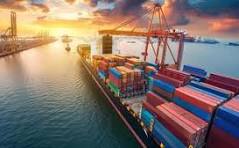
Export Readiness Training in Nigeria
Nigeria is one of Africa’s largest economies, blessed with abundant natural resources, agricultural produce, and a fast-growing manufacturing sector. Yet, despite its potential, the country still faces challenges in fully participating in global trade.
Nigerian businesses, particularly small and medium-sized enterprises (SMEs), often struggle with meeting international standards, understanding global market requirements, and navigating complex export procedures. This is where Export Readiness Training for Nigerian Products becomes essential.
Understanding Export Readiness
Export readiness refers to the capacity of a business to successfully enter and compete in international markets. It goes beyond having quality products—it includes the ability to meet international regulations, packaging standards, logistics requirements, and financial obligations.
For many Nigerian businesses, the gap lies in limited knowledge about global trade practices, lack of documentation, and insufficient exposure to international buyers.
Export Readiness Training in Nigeria equips entrepreneurs and companies with the tools they need to overcome these barriers. By addressing product development, compliance, logistics, and marketing strategies, such training helps businesses position themselves for success in the global marketplace.
Why Export Readiness Training is Important in Nigeria
Nigeria’s non-oil export sector has been identified as a critical driver for economic diversification. With products such as cocoa, sesame seeds, ginger, hibiscus flowers, palm oil, leather, and processed foods in high demand globally, Nigerian exporters stand to gain significantly.
However, many exporters face rejection of their consignments due to non-compliance with standards, poor packaging, or inadequate documentation.
Export Readiness Training for Nigerian Products helps bridge this gap by preparing businesses to meet international requirements. Participants learn about export financing, international trade laws, quality certification, and global market entry strategies. This ensures that Nigerian products not only meet export standards but also remain competitive in terms of branding, pricing, and quality.
Key Focus Areas of Export Readiness Training
While the content of export readiness training varies, some critical areas are usually emphasized. Participants are introduced to the fundamentals of international trade, including export documentation such as certificates of origin, proforma invoices, bills of lading, and phytosanitary certificates. Understanding these documents is crucial to avoid shipment delays or rejections at foreign ports.
Training also covers quality assurance and compliance. Many global markets, especially in Europe and North America, require strict adherence to standards such as HACCP (Hazard Analysis and Critical Control Points) for food exports, ISO certifications, and specific packaging requirements. Nigerian exporters must learn how to meet these standards to ensure their products are accepted.
Another vital component is branding and packaging. International buyers often judge a product first by its packaging. Export readiness training introduces Nigerian businesses to global packaging requirements, barcoding systems, labeling laws, and eco-friendly packaging options that align with international consumer trends.
Logistics and supply chain management also form a core part of the training. Exporters must understand how to work with freight forwarders, shipping companies, and customs agents to ensure timely delivery of goods. Additionally, exporters are taught how to calculate costs, manage risks, and negotiate with international buyers.
Benefits of Export Readiness Training for Nigerian Businesses
Participating in Export Readiness Training in Nigeria offers numerous benefits. First, it enhances the capacity of businesses to penetrate foreign markets confidently. With the right knowledge, Nigerian entrepreneurs can expand their customer base beyond local markets and generate higher foreign exchange earnings.
Second, it reduces the risk of export rejection. Training ensures that businesses understand and comply with international regulations, minimizing financial losses associated with rejected consignments.
Third, it increases competitiveness. Businesses that undergo training are better equipped to package, brand, and market their products to meet international standards, giving them a competitive edge over untrained exporters.
Finally, export readiness training contributes to national economic growth. By increasing the number of successful exporters, Nigeria strengthens its non-oil export sector, diversifies its economy, and boosts foreign exchange inflows.
The Growing Demand for Export Training in Nigeria
With the government’s renewed push for economic diversification, demand for export readiness programs in Nigeria has grown significantly. Agencies such as the Nigerian Export Promotion Council (NEPC), industry associations, and private training providers now organize workshops and seminars to prepare SMEs for global trade.
Additionally, digital platforms are expanding access to export training. Entrepreneurs can now participate in online courses, webinars, and virtual workshops to gain knowledge without geographical limitations. This shift is critical in ensuring that even businesses in remote areas can benefit from export readiness training.
Nigeria’s potential in international trade is immense, but realizing it requires deliberate investment in capacity building. Export Readiness Training for Nigerian Products provides the knowledge, tools, and strategies that businesses need to succeed in global markets. From compliance and documentation to branding and logistics, training prepares Nigerian entrepreneurs to overcome challenges and thrive in international trade.
For SMEs and larger firms alike, the benefits of export readiness training extend beyond individual success to national economic development. By equipping businesses to meet international standards, Nigeria can increase its share of global trade and reduce dependence on oil exports.
You can access Export Readiness Training in Nigeria and other professional training programs across different sectors on Learnora.ng, where trainers and training companies can also list their trainings for free.