
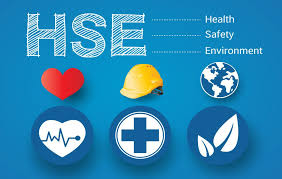
Health, Safety and Environment in Engineering Projects
In the execution of engineering projects—whether in construction, oil and gas, manufacturing, or power generation—the importance of Health, Safety, and Environment (HSE) cannot be overstated. Engineering projects often involve complex processes, heavy machinery, hazardous materials, and high-risk environments. Without a strong focus on HSE practices, organizations expose their workforce, communities, and the environment to unnecessary risks.
The Health, Safety and Environment (HSE) in Engineering Projects training emphasizes the critical role of safety culture, regulatory compliance, and environmental responsibility in ensuring that projects are delivered efficiently, responsibly, and without harm.
Every year, workplace accidents and environmental hazards cost organizations billions of naira in compensation, lost time, and damaged reputation. In Nigeria, regulatory bodies such as the Department of Petroleum Resources (DPR), the Federal Ministry of Environment, and the National Environmental Standards and Regulations Enforcement Agency (NESREA) enforce strict compliance measures to safeguard people and the environment.
Engineering projects that integrate strong HSE frameworks benefit from fewer accidents, higher productivity, cost savings, and improved stakeholder trust. Furthermore, global best practices require organizations to align with international HSE standards such as ISO 14001 for Environmental Management and ISO 45001 for Occupational Health and Safety.
The training on Health, Safety and Environment in engineering projects covers several key areas that are essential for modern industries. These include:
Health Management: Ensuring that workers are protected from occupational hazards, including chemical exposure, noise, vibration, and ergonomics. It also covers emergency medical response planning.
Safety Management: Implementing strategies to minimize accidents and injuries through hazard identification, risk assessments, personal protective equipment (PPE), and safety audits.
Environmental Protection: Ensuring sustainable practices such as waste management, pollution control, energy conservation, and protection of natural resources during project execution.
Regulatory and Legal Compliance: Understanding Nigerian HSE laws and international standards that guide engineering practices.
Safety Culture and Leadership: Promoting employee participation, training, and leadership commitment to HSE excellence.
This program is vital for:
- Engineers, project managers, and supervisors.
- HSE officers and compliance professionals.
- Contractors and subcontractors working on engineering sites.
- Environmental consultants and sustainability managers.
- Students and graduates seeking to enhance their employability in the engineering sector.
By undergoing structured training in HSE, professionals and organizations enjoy a wide range of benefits. These include reduced accident rates, compliance with Nigerian and international laws, better preparedness for emergencies, improved reputation among stakeholders, and enhanced worker morale. On a broader level, prioritizing HSE contributes to sustainable development by minimizing environmental harm and ensuring long-term resource management.
As Nigeria continues to expand its infrastructure, energy, and industrial sectors, the demand for professionals with strong HSE skills will increase. Companies are becoming more accountable to government agencies, investors, and the public regarding how they manage health, safety, and environmental issues. Incorporating HSE into engineering education and professional training ensures that future projects are not only technically successful but also safe and environmentally responsible.
At learnora.ng, we provide specialized courses such as Health, Safety and Environment in Engineering Projects to help professionals and organizations meet regulatory requirements while building world-class safety standards. Trainers and organizations offering HSE programs can also list their trainings on our platform, making Learnora the go-to marketplace for safety and technical capacity-building in Nigeria.
Engineering projects must be built on the foundation of health, safety, and environmental responsibility. By integrating HSE practices, organizations reduce risks, protect lives, safeguard the environment, and build a reputation for excellence. With the right training, engineers and project managers can transform how projects are executed in Nigeria, ensuring that growth and development never come at the cost of human lives or environmental sustainability.