How to Teach Children Nigerian Indigenous Languages
Language is more than just a medium of communication; it is a powerful vehicle for transmitting culture, values, and identity from one generation to the next. In Nigeria, a nation with over 500 indigenous languages, teaching children to speak, read, and write their local languages has become an urgent necessity.
Unfortunately, the rapid dominance of English as the official language and the increasing preference for foreign languages in schools and homes have created a situation where many Nigerian children cannot communicate fluently in their mother tongue. This trend not only threatens the survival of indigenous languages but also weakens cultural heritage.
Teaching children Nigerian indigenous languages is therefore a deliberate step towards preserving identity, promoting unity, and equipping future generations with the linguistic skills needed to thrive in diverse communities.
The Decline of Indigenous Languages in Nigeria
In urban centers like Lagos, Abuja, and Port Harcourt, many parents prioritize English as the primary language of communication, often discouraging their children from speaking Yoruba, Igbo, Hausa, Tiv, Efik, or other local tongues. This decline is further worsened by the education system, where indigenous languages are rarely emphasized beyond early primary school. Consequently, many children grow up detached from their cultural roots, unable to interact with relatives in rural areas or appreciate the rich oral traditions embedded in proverbs, folklore, and songs.
The risk is that if deliberate action is not taken, many of these languages may face extinction in the coming decades. Experts warn that language death is not only a linguistic issue but also a cultural and identity crisis. Therefore, teaching children indigenous languages is a matter of national importance.
Why Children Should Learn Indigenous Languages
Teaching Nigerian children indigenous languages is not only about cultural pride but also about giving them tools to thrive in a multicultural society. Children who learn their mother tongue early often develop stronger cognitive skills, as being bilingual or multilingual enhances memory, problem-solving abilities, and adaptability. Furthermore, indigenous languages carry embedded wisdom that reflects African ways of life, including respect for elders, community values, and cooperation.
From an economic perspective, indigenous languages also provide opportunities in broadcasting, entertainment, politics, and education. Nollywood films, music, radio stations, and local literature often thrive in indigenous languages. For children, this opens doors to creative expression and career opportunities in the future.
Strategies for Teaching Children Nigerian Indigenous Languages
Teaching children Nigerian indigenous languages requires deliberate effort from parents, schools, communities, and policymakers. The earlier the exposure begins, the easier it is for children to grasp and retain the language. Below are practical ways this can be achieved.
Home as the First Language School
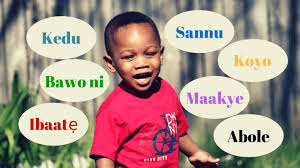
The most effective way to teach indigenous languages is by making them the primary medium of communication at home. Parents who converse with their children in Yoruba, Igbo, Hausa, or any other local language create a natural learning environment. Daily conversations about food, play, chores, and family matters in indigenous languages make children comfortable with listening, speaking, and eventually reading and writing.
Even if English remains important for schoolwork, parents can create a balanced bilingual environment. For example, children can speak English at school but revert to their indigenous language at home. Grandparents and extended family members also play an essential role, as they are often more fluent and can transmit traditional stories, riddles, and songs.
Schools as Cultural Custodians
Schools in Nigeria must take responsibility for promoting indigenous languages as part of formal education. Language classes should not be treated as optional but as core subjects taught consistently from nursery through secondary school. Storytelling, drama, songs, and debates in local languages can make learning fun and engaging.
Beyond teaching grammar, schools can integrate indigenous languages into subjects like history, civic education, and literature. For instance, Yoruba proverbs or Igbo folktales can be analyzed for moral lessons, while Hausa poetry can be used in literature classes. This not only deepens language learning but also reinforces cultural values.
Use of Technology in Language Training
In today’s digital age, children are more attracted to gadgets, games, and online platforms. This provides an opportunity to use technology to promote indigenous language learning. Mobile apps, YouTube tutorials, audiobooks, and cartoons in Yoruba, Igbo, Hausa, Tiv, Kanuri, or Efik can captivate children’s attention while teaching them vocabulary and pronunciation.
Developers can create gamified learning platforms where children earn points for correctly identifying words, phrases, or cultural references in local languages. Parents can also download e-books and audio lessons to support at-home practice. The use of social media and podcasts can also appeal to older children and teenagers who may resist traditional teaching methods.
Language Clubs and Cultural Associations
Community-based initiatives are powerful in promoting indigenous languages. Language clubs in schools, universities, and local communities can bring together children to practice speaking and listening in fun ways. Cultural associations often organize festivals, competitions, and debates in indigenous languages, allowing children to showcase their skills.
Participation in traditional plays, dance, and music where indigenous languages are used helps children connect language learning with cultural pride. These clubs and associations serve as safe spaces for children who may feel shy about using their mother tongue in public.
Storytelling and Oral Traditions
Nigeria has a rich tradition of storytelling, folktales, proverbs, and riddles, often delivered in indigenous languages. These oral traditions are a natural method of teaching children both language and cultural values. Parents and teachers can schedule storytelling sessions where children not only listen but also retell stories in their own words.
Through storytelling, children learn new vocabulary, grammar structures, and cultural morals. They also develop listening skills and confidence in public speaking. Songs, lullabies, and traditional riddles can also be powerful tools in reinforcing language acquisition.
Creating Learning Materials
Books, flashcards, posters, and writing exercises in indigenous languages help reinforce what children hear and speak. Parents and teachers can create simple picture books with words in Yoruba, Igbo, Hausa, or other languages. Such materials bridge the gap between oral learning and literacy.
For older children, newspapers, novels, and magazines written in indigenous languages provide exposure to real-life usage. Encouraging them to write letters, short stories, or diaries in their mother tongue strengthens reading and writing skills.
Challenges in Teaching Indigenous Languages to Children
Despite the importance of indigenous languages, several challenges hinder their teaching in Nigeria. One major issue is the negative perception that indigenous languages are inferior to English. Many parents believe that speaking English exclusively gives children an advantage in education and job opportunities, leading them to neglect local languages.
Another challenge is the lack of well-trained teachers and adequate learning materials in indigenous languages. Many schools treat these subjects casually, with some offering them only for examination purposes. The dominance of Western media also contributes to children’s preference for English, as most cartoons, books, and games are not available in Nigerian languages.
To overcome these challenges, there needs to be a national campaign to change attitudes toward indigenous languages. Policymakers must ensure funding for language teaching, teacher training, and the creation of resources. Parents and communities must also be persuaded that knowing indigenous languages does not diminish a child’s global competitiveness but enhances their cultural identity and adaptability.
Teaching children Nigerian indigenous languages is a vital step toward preserving cultural identity, fostering unity, and empowering the next generation with the skills to thrive in a diverse world. Homes, schools, communities, and policymakers must work together to ensure that children not only learn to speak but also read and write their mother tongues. By integrating indigenous languages into everyday communication, storytelling, technology, and education, Nigeria can prevent the extinction of its rich linguistic heritage.
Ultimately, language is more than just words—it is the soul of a people. When Nigerian children speak Yoruba, Igbo, Hausa, Tiv, Efik, or Kanuri, they are not just learning a language but inheriting wisdom, culture, and identity. The future of Nigeria’s indigenous languages depends on today’s efforts to teach children and inspire pride in their mother tongues.