
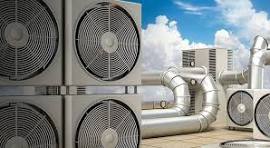
Modern Heating, Ventilation and Air-Conditioning (HVAC) and Refrigeration Systems Training in Nigeria
The demand for efficient and sustainable climate control technologies is increasing rapidly, making Heating, Ventilation and Air-Conditioning (HVAC) and refrigeration systems critical across industries. From residential buildings and hospitals to factories, offices, and oil and gas facilities, HVAC and refrigeration systems ensure comfort, safety, and smooth operations.
In Nigeria, where rising temperatures, industrial growth, and urbanization are shaping infrastructure needs, there is a growing demand for professionals trained in modern HVAC and refrigeration systems.
Training in this field equips engineers, technicians, and facility managers with the knowledge and practical skills required to design, operate, maintain, and troubleshoot these systems effectively.
Importance of HVAC and Refrigeration Training
Modern HVAC and refrigeration systems are not limited to comfort cooling. They play a vital role in food preservation, pharmaceutical storage, cleanroom operations, industrial processing, and data center cooling. In Nigeria’s hot and humid climate, energy-efficient HVAC systems are essential for reducing operational costs while maintaining indoor air quality.
Training programs provide participants with in-depth knowledge of system design, equipment selection, energy efficiency practices, safety standards, and environmental compliance. As global attention shifts toward green building practices and sustainability, professionals with advanced training in this field are in high demand.
Key Learning Areas
Participants in HVAC and refrigeration training in Nigeria gain exposure to a wide range of topics, including system design principles, refrigeration cycles, ductwork, piping, controls, energy management, and smart technologies. Training also emphasizes hands-on practice with modern equipment and diagnostic tools, ensuring that learners can apply theoretical knowledge to real-world projects.
In addition, the courses focus on global best practices such as compliance with ASHRAE, ISO, and environmental regulations related to refrigerants. The skills gained enable participants to handle tasks ranging from installation and commissioning to predictive maintenance and troubleshooting.
Benefits of HVAC and Refrigeration Training
For professionals, HVAC and refrigeration training enhances career opportunities, boosts technical expertise, and improves problem-solving capabilities. For organizations, having skilled HVAC technicians ensures reduced downtime, lower energy costs, improved system reliability, and compliance with environmental standards.
Industries such as oil and gas, manufacturing, healthcare, real estate, and hospitality all require reliable HVAC and refrigeration systems. Well-trained professionals ensure these systems operate efficiently, which directly impacts safety, productivity, and customer satisfaction.
Challenges and Opportunities in Nigeria
Despite the importance of HVAC and refrigeration systems, Nigeria faces challenges such as high energy consumption, outdated equipment, limited access to modern refrigerants, and insufficient skilled manpower. Training programs bridge this gap by equipping professionals with knowledge of energy-efficient designs, eco-friendly refrigerants, and advanced control systems.
The opportunities are immense: Nigeria’s growing real estate sector, expansion of industrial facilities, rising healthcare investments, and demand for modern commercial buildings all fuel the need for HVAC and refrigeration expertise. With proper training, professionals can take advantage of this demand while also contributing to sustainable energy practices.
The Future of HVAC and Refrigeration in Nigeria
The future of HVAC and refrigeration systems in Nigeria is tied to energy efficiency, automation, and sustainability. Smart HVAC systems that integrate with building management systems (BMS), renewable energy-powered cooling, and environmentally friendly refrigerants are shaping the industry. Training programs are evolving to include these innovations, ensuring Nigerian professionals remain globally competitive.
By embracing modern technologies and continuous training, Nigeria can meet its infrastructural and environmental goals while creating a pool of highly skilled HVAC and refrigeration experts.
Modern HVAC and refrigeration systems are essential for Nigeria’s residential, commercial, and industrial sectors. Training in this field provides professionals with the technical and practical skills to design, install, maintain, and troubleshoot these systems while meeting global standards of safety, efficiency, and sustainability.
For individuals seeking to enroll in HVAC and refrigeration training in Nigeria, and for organizations looking to upskill their workforce, Learnora.ng provides access to specialized programs across industries.
Trainers and training companies can also list their HVAC and refrigeration training courses for free on Learnora.ng, making it the go-to hub for professional development in Nigeria.