Offshore Engineering: Design, Fabrication, Installation, Hook-up and Commissioning Course
Offshore engineering is one of the most critical areas in the oil and gas industry, as it supports the safe and efficient development of hydrocarbon resources located beneath the seabed. From concept design to fabrication, installation, hook-up, and commissioning, offshore engineering involves multidisciplinary expertise and high levels of technical competence.
In Nigeria, with its vast offshore oil and gas reserves in the Niger Delta and deepwater regions, the demand for skilled offshore engineers and project managers continues to grow.
The Offshore Engineering: Design, Fabrication, Installation, Hook-up and Commissioning Course in Nigeria provides professionals with the knowledge and practical skills needed to excel in this challenging field. Delivered through Leanora.ng, the course addresses every stage of offshore engineering projects, preparing participants to meet industry standards and align with best practices.
Importance of Offshore Engineering in Nigeria
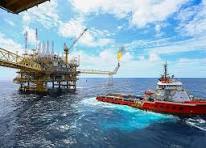
Nigeria is one of Africa’s largest oil producers, with significant deepwater assets that require advanced offshore engineering solutions. Developing these assets involves large-scale projects such as fixed platforms, floating production storage and offloading (FPSO) units, subsea systems, and offshore pipelines. The complexity, cost, and risks associated with offshore projects make engineering expertise indispensable.
Beyond oil and gas, offshore engineering also supports renewable energy initiatives such as offshore wind and marine energy. For Nigeria, building local capacity in offshore engineering is critical to reducing dependence on foreign expertise, creating jobs, and maximizing local content in line with government policies.
What the Course Covers
The course provides participants with an end-to-end understanding of offshore engineering, from the initial design phase through to commissioning. Key areas of focus include:
Design – Participants gain insights into the fundamentals of offshore structural, mechanical, and electrical design. This includes load analysis, hydrodynamic modeling, structural integrity assessment, material selection, and compliance with international standards such as API, ISO, and DNV.
Fabrication – The course covers fabrication processes for offshore platforms, subsea equipment, and topsides. Topics include welding, machining, modular construction, quality control, and adherence to safety and environmental requirements in fabrication yards.
Installation – Learners are introduced to offshore installation methods, such as heavy lift operations, subsea pipeline laying, riser installation, mooring systems, and subsea tie-ins. They study the use of specialized vessels and cranes while focusing on logistics, safety, and environmental considerations.
Hook-up – The hook-up stage connects the fabricated modules and systems offshore, ensuring that equipment, piping, electrical, and instrumentation systems are integrated and aligned. Training emphasizes project planning, system integration, and the use of advanced tools and techniques for safe execution.
Commissioning – Finally, the course guides participants through pre-commissioning and commissioning processes to verify that offshore systems perform according to specifications. Topics include system testing, troubleshooting, certification, and handover procedures.
Practical exercises, case studies, and real-world project simulations are integrated to provide participants with hands-on learning experiences.
Benefits of the Course
For individuals, completing this course enhances career opportunities in the oil and gas industry, particularly in offshore projects. Offshore engineers, project managers, supervisors, and technicians are in high demand not only in Nigeria but also internationally. The training equips participants with the knowledge to work safely, efficiently, and in compliance with global standards.
For organizations, the course strengthens local workforce capabilities, reduces reliance on expatriates, and ensures project efficiency. By training their staff in offshore engineering best practices, companies improve safety, reduce downtime, and achieve significant cost savings.
Relevance to Nigeria’s Oil and Gas Industry
Nigeria’s offshore oil and gas sector faces unique challenges, including deepwater development, harsh marine environments, and complex logistics. Training in offshore engineering equips professionals with the skills to address these challenges while complying with Nigerian local content requirements.
With projects such as Egina, Bonga, and Agbami serving as examples of large-scale offshore developments, the need for highly trained offshore engineers has never been greater. By investing in training, Nigeria can build a sustainable pool of talent capable of executing world-class offshore projects.
Who Should Attend the Course?
The Offshore Engineering: Design, Fabrication, Installation, Hook-up and Commissioning Course is suitable for:
Offshore engineers and project managers
Mechanical, structural, and civil engineers
Fabrication and construction supervisors
Installation and commissioning engineers
HSE professionals working offshore
Procurement and contract managers involved in offshore projects
Government regulators and inspectors overseeing offshore developments
It is also valuable for young graduates seeking to build careers in offshore oil and gas engineering.
Why Choose Leanora.ng for Offshore Engineering Training?
Leanora.ng provides access to high-quality training programs across technical and management disciplines, including offshore engineering. The platform connects learners with experienced trainers and institutions that deliver practical, industry-relevant content.
Learners benefit from flexible training formats, including online, in-person, and blended sessions, enabling participation regardless of location. Courses offered through Leanora.ng are designed to meet international standards, ensuring that participants can compete globally. Certification from these programs enhances employability and professional credibility.
For trainers, Leanora.ng offers a free platform to list their courses, expand their reach, and engage with professionals across Nigeria’s oil and gas industry. By showcasing their expertise, trainers can connect with companies and individuals eager to acquire offshore engineering skills.
Trends in Offshore Engineering
The offshore engineering field is continuously evolving, with new technologies and methodologies shaping how projects are designed and executed. Some of the key trends highlighted in the course include:
Digital Twin Technology: Using virtual models to monitor and optimize offshore assets throughout their lifecycle.
Robotics and Automation: Employing remotely operated vehicles (ROVs) and autonomous systems for installation and maintenance.
Subsea Processing: Shifting production processes from topside platforms to the seabed for greater efficiency.
Floating LNG (FLNG): Developing floating liquefied natural gas units as an alternative to onshore facilities.
Sustainability and Green Offshore Engineering: Reducing carbon emissions through cleaner technologies and renewable offshore energy solutions.
By staying updated with these trends, professionals position themselves to thrive in a competitive and technologically advanced industry.
Offshore engineering is a cornerstone of Nigeria’s oil and gas sector, requiring expertise in design, fabrication, installation, hook-up, and commissioning. The Offshore Engineering: Design, Fabrication, Installation, Hook-up and Commissioning Course in Nigeria provides professionals with the skills and knowledge to excel in this demanding field.
For individuals, the course opens doors to rewarding careers in offshore projects both locally and internationally. For organizations, it ensures that projects are executed safely, efficiently, and in compliance with global best practices.
Through Leanora.ng, learners can access this specialized training and more, while trainers can list their offshore engineering courses for free, reaching a wide audience across Nigeria’s oil and gas industry.
Start your journey toward mastering offshore engineering today by enrolling on Leanora.ng. If you are a trainer, showcase your expertise and expand your reach by listing your courses for free.