
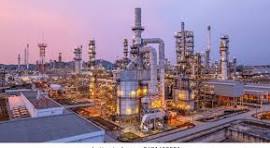
Refining and Petrochemical Operations Basics Training in Nigeria
Nigeria is a major oil producer, yet one of the country’s most pressing economic challenges is its reliance on importing refined petroleum products. Despite producing over a million barrels of crude oil daily, the country’s refining capacity has historically lagged behind demand. This dependence on imports not only increases the cost of fuel for consumers but also weakens the national economy.
However, with recent investments in refinery rehabilitation and the development of new private refineries such as the Dangote Refinery, Nigeria’s downstream oil sector is entering a new phase.
At the heart of this transformation lies the need for skilled manpower. Refining and petrochemical operations are complex processes that require specialized knowledge of engineering, chemistry, safety, and plant management. This is why Refining and Petrochemical Operations Basics Training in Nigeria has become so vital.
The training equips participants with a fundamental understanding of how refineries and petrochemical plants operate, covering technical processes, safety practices, environmental standards, and business opportunities.
The Importance of Refining and Petrochemical Operations in Nigeria
The refining sector is responsible for converting crude oil into usable products such as petrol, diesel, kerosene, jet fuel, and lubricants. Without refineries, crude oil cannot meet everyday energy and industrial needs. On the other hand, the petrochemical sector transforms crude oil and natural gas derivatives into essential raw materials for plastics, fertilizers, textiles, and pharmaceuticals.
Together, refining and petrochemical operations form the backbone of Nigeria’s industrial economy. Expanding capacity in these areas would reduce the need for imports, create jobs, diversify the economy, and improve energy security. Training programs that develop local expertise are therefore critical to ensuring that Nigeria’s refining and petrochemical facilities are operated efficiently, safely, and sustainably.
Why Training on Refining and Petrochemical Operations Matters
The oil and gas industry is highly technical. A refinery is a massive industrial complex with numerous interdependent units, each requiring careful operation. From crude distillation units to catalytic crackers and polymer plants, every section involves sophisticated engineering and chemistry. Without proper training, operating these facilities poses risks of accidents, inefficiencies, and environmental damage.
Training provides participants with the knowledge of refining fundamentals such as crude oil composition, distillation processes, product blending, and quality control. It also introduces the basics of petrochemicals, covering feedstock selection, cracking processes, and downstream applications. Importantly, training emphasizes safety, as refineries handle flammable and hazardous substances that require strict operational discipline.
Beyond technical knowledge, refining and petrochemical training also covers business and policy aspects. Participants learn about Nigeria’s downstream oil and gas regulations, licensing procedures, and market dynamics. This combination of technical and business knowledge enables professionals and entrepreneurs to make informed decisions in a sector with immense opportunities.
What the Training Covers
A Refining and Petrochemical Operations Basics Training in Nigeria program typically starts with an overview of the oil and gas industry, showing how upstream, midstream, and downstream operations are interconnected. Participants are introduced to the role of refineries, from crude oil intake to the output of finished products.
Modules on refining cover crude oil properties, separation techniques, fractional distillation, and secondary processes such as hydrocracking, catalytic reforming, and desulfurization. Participants also learn how blending works to produce fuels that meet specific quality standards.
In petrochemical training, the focus shifts to converting refinery outputs into petrochemical feedstocks such as ethylene, propylene, and benzene. From these, participants understand how plastics, resins, synthetic fibers, and fertilizers are produced. Practical sessions may include case studies of existing Nigerian facilities or virtual simulations of refining units.
Safety and environmental management are emphasized throughout the training. Participants are introduced to occupational safety measures, emergency response procedures, and best practices for minimizing emissions and waste. As sustainability becomes central to global energy policies, training also includes topics such as cleaner technologies, carbon management, and renewable alternatives in petrochemicals.
Target Audience for the Training
This training is designed for a wide range of stakeholders in Nigeria’s oil and gas industry. Engineers, technicians, and operators who work in refineries or petrochemical plants form a core audience. For them, the training strengthens their technical knowledge and prepares them for career advancement.
Graduates of engineering, chemistry, and related disciplines benefit by gaining a foundational understanding of downstream operations, making them job-ready for opportunities in refineries. Entrepreneurs and investors interested in petrochemical ventures also participate to better understand the processes, risks, and opportunities involved. Government officials, regulators, and policymakers attend to align with industry best practices and support Nigeria’s downstream development.
Benefits of Refining and Petrochemical Training
The benefits of this training extend across individuals, organizations, and the nation as a whole. For individuals, it provides highly valuable technical knowledge and enhances employability in an industry that is increasingly seeking skilled manpower. For organizations, the training improves plant efficiency, reduces downtime, and ensures compliance with safety and environmental standards.
At the national level, training contributes to Nigeria’s industrial development goals. By building local expertise, the country reduces reliance on foreign specialists and creates a pool of professionals capable of running modern refineries and petrochemical plants. This aligns with the government’s drive to increase local content participation in the oil and gas industry, ensuring that Nigerians benefit more directly from their natural resources.
Challenges Facing Refining and Petrochemical Operations
Despite its importance, Nigeria’s refining and petrochemical sector faces several challenges. Inadequate infrastructure and outdated equipment have historically limited the efficiency of government-owned refineries. Bureaucracy, policy inconsistency, and regulatory bottlenecks have also slowed progress in the sector.
Another challenge is the shortage of skilled manpower, which affects the smooth operation and maintenance of facilities. Environmental concerns, including emissions, waste management, and community relations, also pose risks. Training helps address these challenges by equipping stakeholders with the technical, managerial, and safety knowledge required to operate modern refining and petrochemical facilities effectively.
Future Prospects for Refining and Petrochemical Operations in Nigeria
The future of refining and petrochemicals in Nigeria is promising. With the commissioning of new private refineries and the rehabilitation of existing ones, the country is on track to meet its domestic fuel needs and even export refined products. The petrochemical industry, driven by the demand for plastics, fertilizers, and industrial chemicals, is also expected to expand significantly.
Global trends in energy transition are encouraging cleaner and more efficient refining technologies, while petrochemical demand continues to grow globally despite the push for renewables. Nigeria’s abundant crude oil and gas resources provide a strong foundation for these industries. Training ensures that the country has the skilled workforce needed to capitalize on these opportunities and remain competitive in the global market.
Nigeria’s refining and petrochemical industries are essential pillars of its economic development, yet they require specialized expertise to operate effectively. Refining and Petrochemical Operations Basics Training in Nigeria provides the foundation for building this expertise. It equips engineers, technicians, entrepreneurs, and policymakers with the technical, safety, and business knowledge required to manage refineries and petrochemical plants.
As Nigeria moves toward expanding its refining capacity and building a vibrant petrochemical sector, training will play a central role in ensuring that these developments are sustainable, safe, and beneficial to the country. For individuals, the training opens career and business opportunities in one of Nigeria’s most lucrative industries. For the nation, it builds capacity, reduces dependence on imports, and drives industrialization.
With the right training and investment in human capital, Nigeria is poised to transform its refining and petrochemical sectors into engines of growth, jobs, and national pride.