
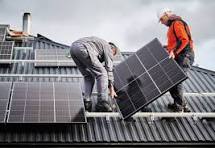
Solar Installation and Maintenance Training in Nigeria
Nigeria’s electricity supply has long struggled to keep pace with the needs of its people and industries. Power outages are frequent, and many households and businesses spend a significant portion of their income on generators and fuel.
Against this backdrop, solar energy has emerged as one of the most reliable, affordable, and sustainable solutions to Nigeria’s energy challenges. The country is blessed with abundant sunshine for most of the year, making solar power a natural fit for its energy needs.
However, the rapid growth in solar adoption across Nigeria has also highlighted a critical challenge: the shortage of trained professionals who can install, maintain, and manage solar systems effectively. Poorly installed systems not only fail to deliver optimum performance but also discourage public confidence in solar technology.
This is where solar installation and maintenance training in Nigeria becomes essential. By equipping individuals with the technical and entrepreneurial skills needed to work in the sector, such training builds capacity, creates jobs, and drives the adoption of renewable energy solutions.
The Growing Demand for Solar Energy in Nigeria
Nigeria’s solar energy sector has witnessed rapid expansion in recent years. From urban households installing rooftop solar panels to rural communities relying on off-grid solar systems, the demand is rising steadily. Solar power is particularly popular because it reduces dependence on the unreliable national grid, cuts energy costs in the long run, and is environmentally friendly.
Businesses, especially SMEs and large industrial facilities, are increasingly adopting solar to improve productivity and reduce losses from power cuts.
Government policies and international support have also accelerated adoption. Programs like the Solar Power Naija initiative aim to provide millions of Nigerians with access to solar home systems and mini-grids. Development agencies and private investors are equally investing in solar projects across the country.
These developments create a massive need for skilled manpower capable of handling installation, troubleshooting, and long-term system maintenance.
Importance of Solar Installation and Maintenance Training
Solar training is not just about learning how to fix panels on rooftops. It encompasses the entire process of designing, installing, and maintaining solar systems, from small home units to large-scale commercial setups. Training ensures that participants understand system sizing, wiring, safety standards, battery management, and inverter configurations.
Without proper training, installations can lead to system failures, electrical hazards, and reduced efficiency. Many Nigerians have had negative experiences with solar systems that failed prematurely due to poor installation practices. Structured training addresses this gap by raising professional standards and ensuring quality service delivery in the solar industry.
Furthermore, solar training has a strong economic dimension. It creates employment opportunities for technicians, engineers, entrepreneurs, and suppliers. Many individuals who undergo solar installation and maintenance training establish their own solar businesses, while others secure employment with established firms. Training also empowers young people to participate in Nigeria’s growing green economy, thereby reducing unemployment.
What Solar Training Covers
Solar installation and maintenance training in Nigeria typically covers a wide range of topics. Participants are introduced to the fundamentals of solar energy, including how photovoltaic cells convert sunlight into electricity and the different types of solar technologies. This foundational knowledge is followed by practical sessions on system design and sizing, where participants learn how to calculate energy needs, select appropriate components, and design systems for various applications.
Hands-on training is often emphasized, with participants practicing solar panel installation, inverter wiring, battery connections, and system testing. Maintenance and troubleshooting are critical areas of focus, teaching participants how to identify faults, repair damaged components, replace defective parts, and ensure system reliability. Safety protocols, which are essential when dealing with electrical systems, are also integrated into the curriculum.
Advanced modules may cover grid-tied and hybrid systems, energy storage technologies, and emerging innovations in solar power. Beyond technical skills, many training programs incorporate entrepreneurship and business development, equipping participants with the knowledge to start and manage solar enterprises. This includes training on customer service, marketing strategies, and financing models tailored to Nigeria’s market.
Target Audience for Solar Training
The training is designed for a broad audience. Young graduates and technicians who are interested in building a career in renewable energy are among the key beneficiaries. Entrepreneurs who wish to start solar businesses attend to gain practical knowledge that helps them enter the industry with confidence. Engineers and electricians often take the training to expand their professional skill sets and diversify their income sources. Policymakers, NGOs, and community leaders also participate to better understand the role of solar energy in rural electrification and development projects.
Benefits of Solar Installation and Maintenance Training
The benefits of solar training extend to individuals, communities, and the nation at large. For individuals, the training provides employable skills in a high-demand sector. Many participants go on to secure jobs with solar companies or start their own ventures, thereby contributing to economic growth. For communities, trained technicians ensure that solar installations are reliable, durable, and safe, which increases public confidence in renewable energy.
On a broader scale, the training supports Nigeria’s transition to a cleaner energy future. By building local capacity, the country reduces its dependence on imported expertise and creates a homegrown workforce capable of meeting its renewable energy goals. It also contributes to sustainable development by promoting access to clean, affordable, and reliable power in both urban and rural areas.
Challenges in Solar Training and Adoption
Despite its many benefits, solar training and adoption in Nigeria face several challenges. One major issue is the high cost of solar components, which makes systems unaffordable for many households. Limited access to financing options also discourages adoption. On the training side, there is a shortage of standardized programs, and some institutions lack the resources to provide practical, hands-on experience.
Another challenge is the presence of unqualified installers in the market, which undermines the credibility of solar energy. Addressing this requires not only better training but also certification programs and regulatory frameworks to ensure that only qualified professionals deliver solar services.
Future of Solar Training in Nigeria
The future of solar installation and maintenance training in Nigeria is bright. As the demand for solar energy continues to grow, so will the need for skilled professionals. Training institutions are expanding their offerings, while international organizations and private investors are supporting capacity-building initiatives. With the increasing adoption of solar energy in urban and rural areas, the role of well-trained technicians will become even more critical.
Technological innovations such as smart inverters, advanced battery storage, and integrated solar systems will also create new areas of specialization. Training programs will evolve to cover these emerging technologies, ensuring that Nigerian professionals remain competitive in the global renewable energy market.
Nigeria’s energy challenges demand innovative and sustainable solutions, and solar power is at the forefront of this transformation. With its abundant sunshine and growing energy needs, the country is uniquely positioned to harness solar energy for economic growth and social development. However, the success of solar adoption depends heavily on the availability of skilled manpower capable of delivering quality installations and reliable maintenance.
Solar installation and maintenance training in Nigeria plays a vital role in bridging this gap. It equips individuals with technical and entrepreneurial skills, creates employment opportunities, and strengthens Nigeria’s renewable energy sector. By investing in training, Nigeria can not only meet its energy needs but also build a sustainable, green economy that benefits present and future generations.