
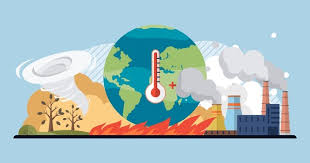
Training on Climate Change Awareness in Nigeria: Building a Sustainable Future
Climate change has become one of the most pressing global challenges of the 21st century, and Nigeria is not exempt from its impacts.
The country is already experiencing severe consequences, including desertification in the north, flooding in coastal and riverine areas, erratic rainfall affecting agricultural productivity, and rising temperatures contributing to health and environmental problems.
These challenges highlight the urgent need for training on climate change awareness in Nigeria, which equips individuals, communities, policymakers, and businesses with the knowledge and skills to mitigate risks, adapt to environmental shifts, and embrace sustainable practices.
This article explores the importance of climate change awareness training in Nigeria, its benefits across different sectors, and its role in ensuring sustainable development. It also highlights how such training can empower Nigerians to respond effectively to environmental threats while taking advantage of opportunities in the emerging green economy.
Why Climate Change Awareness Matters in Nigeria
Nigeria’s economy and social structure are highly vulnerable to the impacts of climate change. Agriculture, which employs more than 70% of the workforce, depends heavily on rainfall, making it highly sensitive to erratic weather patterns. The northern regions are facing desert encroachment, while flooding in the south displaces communities and disrupts livelihoods. Climate change also exacerbates food insecurity, increases poverty, and contributes to conflicts over resources such as water and farmland.
Climate change awareness training in Nigeria helps bridge the knowledge gap by explaining the science of climate change, its global causes, and its local manifestations. Participants learn how activities such as deforestation, fossil fuel dependence, industrial emissions, and unsustainable farming practices contribute to greenhouse gas emissions and environmental degradation. More importantly, they gain insights into practical solutions, such as renewable energy adoption, sustainable agriculture, and community-based adaptation strategies.
By linking global climate change concepts to Nigeria’s local realities, these training programs make the issue relatable and actionable. Awareness leads to informed choices, policy advocacy, and grassroots action—key drivers of climate resilience.
Objectives of Climate Change Awareness Training
The overarching goal of climate change awareness training in Nigeria is to build capacity for adaptation, mitigation, and sustainable development. Some of the core objectives include:
Enhancing understanding of climate science and its impact on Nigeria’s economy, environment, and society.
Equipping policymakers, civil servants, and business leaders with tools to design and implement climate-responsive policies.
Promoting eco-friendly practices in households, schools, and communities.
Raising awareness about Nigeria’s commitments under the Paris Agreement and the country’s Nationally Determined Contributions (NDCs).
Empowering youths, women, and vulnerable groups to take leadership roles in climate action.
Fostering innovation in renewable energy, sustainable agriculture, and green entrepreneurship.
Scope of Climate Change Awareness Training in Nigeria
Agriculture and Food Security
For farmers and agribusinesses, training provides insights into climate-smart agriculture techniques such as irrigation, crop rotation, drought-resistant seed varieties, and agroforestry. These practices help improve resilience and reduce post-harvest losses.
Renewable Energy and Sustainable Practices
Participants learn how renewable energy sources like solar, wind, and bioenergy can replace fossil fuels, reduce emissions, and create job opportunities. Training also emphasizes waste recycling, energy conservation, and sustainable transport systems.
Policy and Governance
For government officials, awareness programs focus on designing effective policies that balance development goals with environmental sustainability. These include regulations on emissions, incentives for green energy adoption, and disaster preparedness strategies.
Public Health
Climate change has direct health implications, such as increased vector-borne diseases (malaria, dengue), waterborne illnesses (cholera), and heat-related conditions. Training equips healthcare professionals and community health workers with the knowledge to anticipate and address climate-related health risks.
Business and Corporate Responsibility
Private sector players learn how to integrate sustainability into their operations through cleaner technologies, reduced waste, and green financing. This strengthens corporate social responsibility and enhances access to eco-conscious global markets.
Benefits of Climate Change Awareness Training in Nigeria
Climate change training provides broad benefits across sectors:
Enhanced resilience: Communities and institutions can anticipate risks and prepare adaptation strategies.
Economic opportunities: Training opens doors to new markets such as renewable energy, sustainable agriculture, and carbon trading.
Policy alignment: Nigeria can meet international climate obligations and improve its standing in global partnerships.
Youth empowerment: The training nurtures a generation of environmentally conscious leaders and innovators.
Public health improvements: Greater awareness leads to preventive action against climate-induced diseases.
Role of Youth in Climate Change Awareness
With over 60% of Nigeria’s population under the age of 25, youth are central to the climate change conversation. Awareness training programs often target young people by integrating digital tools, innovation, and entrepreneurship into the learning process. For example, young Nigerians are using social media campaigns, apps, and startups to promote climate advocacy and develop green solutions. Training helps them transform their passion into action, driving grassroots movements and sustainable businesses.
Climate Finance and Green Economy Opportunities
Another key component of training on climate change awareness in Nigeria is educating participants about climate finance opportunities. Many Nigerians are unaware of international funding mechanisms such as the Green Climate Fund (GCF) and Clean Development Mechanism (CDM), which support developing countries in implementing climate adaptation and mitigation projects.
By learning how to access these funds, stakeholders—including government agencies, NGOs, and entrepreneurs—can initiate renewable energy projects, reforestation programs, and sustainable agriculture ventures. This creates a pathway for Nigeria to build a green economy that not only protects the environment but also generates jobs and wealth.
Challenges to Climate Change Awareness in Nigeria
Despite the importance of climate change awareness training, several barriers hinder its widespread adoption. Limited funding, lack of political will, low literacy levels in rural communities, and insufficient integration of climate change education into school curricula are major obstacles. Additionally, misinformation and the perception that climate change is a “foreign problem” further reduce engagement.
Overcoming these challenges requires collaboration between government, NGOs, private sector players, and international partners. Incorporating climate education into formal and informal learning systems, coupled with targeted community outreach, can significantly improve awareness levels across Nigeria.
Building a Culture of Environmental Stewardship
At its core, climate change awareness training is about fostering a cultural shift. It encourages Nigerians to take personal responsibility for their environment through simple, everyday actions—planting trees, conserving energy, reducing waste, and advocating for greener policies. When individuals and communities embrace these values, the collective impact can be transformative.
Schools, religious institutions, media platforms, and community organizations all play a vital role in embedding climate awareness into Nigeria’s cultural fabric. Over time, this shift can help Nigeria transition toward a more sustainable, low-carbon future.
Training on climate change awareness in Nigeria is not merely an academic exercise—it is a national necessity. With the country already feeling the impact of environmental changes, empowering citizens with knowledge and practical skills is the key to resilience and sustainability.
From farmers adopting climate-smart techniques to policymakers designing green policies, from youths driving advocacy campaigns to businesses embracing eco-friendly models, every stakeholder has a role to play.
By scaling up climate change awareness training, Nigeria can build a future that is not only more sustainable but also more prosperous, healthier, and resilient. Climate change presents significant challenges, but with awareness and action, it also offers opportunities for innovation, collaboration, and transformation.