Training on Conflict Resolution and Peacebuilding in Nigeria
Conflict has remained a recurring challenge in Nigeria, manifesting in diverse forms such as ethnic tensions, religious disputes, political rivalries, farmer-herder clashes, insurgency, and resource control struggles. These conflicts have often resulted in devastating consequences, including loss of lives, destruction of property, displacement of communities, and long-term disruption of economic and social development.
To address these issues, training on conflict resolution and peacebuilding in Nigeria has become an essential tool for individuals, communities, organizations, and government institutions seeking to create lasting solutions and foster a culture of peace.
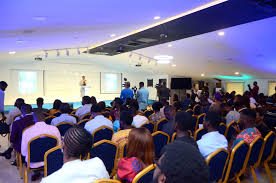
This training focuses on equipping participants with the knowledge, skills, and practical approaches needed to manage disputes constructively, prevent escalation, and promote peaceful coexistence. With Nigeria’s diversity and complex socio-political structure, structured peacebuilding programs provide an opportunity to transform conflicts into opportunities for dialogue, collaboration, and sustainable development.
The Need for Conflict Resolution and Peacebuilding Training in Nigeria
Nigeria’s socio-political landscape is marked by diversity in ethnicity, culture, language, and religion. While this diversity is a strength, it has also become a source of recurring tensions. Many of the country’s conflicts arise from misunderstandings, perceived marginalization, competition over scarce resources, and political manipulation. Left unmanaged, such tensions escalate into violence, threatening the fabric of national unity.
Training in conflict resolution and peacebuilding is therefore critical because it helps individuals and institutions recognize early warning signs of conflict, address underlying causes, and provide strategies for mediation, negotiation, and reconciliation. It also empowers community leaders, youth, women’s groups, civil society actors, and government agencies with tools to engage constructively in dispute resolution.
By strengthening capacities for peacebuilding, Nigeria can reduce the recurrence of violent conflicts, enhance community resilience, and create a more secure environment for socio-economic development.
Key Focus Areas of Conflict Resolution and Peacebuilding Training
Conflict resolution and peacebuilding training in Nigeria is designed to address the realities of the country’s challenges. The training usually covers core areas such as conflict analysis, mediation skills, negotiation techniques, dialogue facilitation, peace education, and reconciliation strategies.
Participants are introduced to the principles of conflict resolution, including how to identify stakeholders, understand root causes, and distinguish between positions and interests in a dispute. They are also trained on how to design and implement mediation processes that ensure fairness, inclusiveness, and long-term sustainability.
Additionally, peacebuilding training emphasizes the importance of inclusive participation. It highlights the role of youth, women, religious leaders, traditional rulers, civil society, and policymakers in fostering dialogue and reducing polarization. Practical case studies from Nigerian communities are often used to illustrate lessons and encourage participants to apply solutions in real-life situations.
Benefits of Conflict Resolution and Peacebuilding Training
One of the most significant benefits of conflict resolution and peacebuilding training in Nigeria is the promotion of social cohesion. Through structured dialogue and community engagement, participants learn how to overcome prejudices, reduce stereotypes, and build trust among diverse groups.
The training also enhances leadership skills by equipping individuals with tools to manage disputes within organizations, schools, workplaces, and communities. Leaders who undergo such training are better positioned to foster inclusiveness, fairness, and accountability in their decision-making processes.
For government institutions and NGOs, the training strengthens program design and implementation. It ensures that interventions in areas affected by conflict are sensitive to cultural dynamics and address root causes rather than symptoms.
At the grassroots level, peacebuilding training empowers community members to take ownership of peace initiatives, making solutions more sustainable. For example, in areas where farmer-herder conflicts are common, trained mediators can facilitate dialogue between both parties to create agreements on land use, grazing routes, and compensation mechanisms.
Another critical benefit is its impact on Nigeria’s economic growth. By reducing conflict-related disruptions, peacebuilding initiatives create a stable environment for investment, agriculture, trade, and infrastructure development.
Conflict Resolution Training for Different Audiences
Conflict resolution and peacebuilding training in Nigeria can be tailored to meet the needs of different groups. For schools and educational institutions, training modules can focus on peace education, bullying prevention, and non-violent communication among students. For community leaders and traditional rulers, training can address grassroots mediation, cultural sensitivity, and dispute settlement techniques.
For NGOs and civil society organizations, peacebuilding programs often include advocacy skills, human rights awareness, and community mobilization strategies. Policymakers and government agencies benefit from training on conflict-sensitive governance, security sector reforms, and inclusive policy formulation.
Private sector organizations also find value in conflict management training, as it helps improve workplace relationships, labor relations, and corporate social responsibility initiatives in conflict-prone areas.
The Role of Technology and Media in Peacebuilding
Modern training on conflict resolution and peacebuilding in Nigeria also integrates the role of technology and media. Social media platforms, while sometimes fueling conflict, can also be used for peace messaging, early warning systems, and mobilization for dialogue.
Participants in these trainings are often encouraged to use digital tools to monitor conflicts, promote accurate information, and counter fake news that escalates tensions. Radio, television, and community theater are also explored as effective platforms for peace education, particularly in rural areas.
Challenges in Conflict Resolution and Peacebuilding in Nigeria
While training on conflict resolution and peacebuilding provides critical skills, the practical implementation of these skills in Nigeria faces challenges. Issues such as lack of political will, limited resources, cultural barriers, and deep-seated mistrust among communities often hinder progress.
Additionally, some conflicts are fueled by structural inequalities, corruption, and weak governance, making them harder to resolve without broader systemic reforms. Despite these challenges, training programs remain vital in equipping individuals with the mindset and tools to drive gradual change.
Prospects for Conflict Resolution and Peacebuilding in Nigeria
The future of conflict resolution and peacebuilding in Nigeria is promising. With increasing global and local recognition of the importance of peace for development, more institutions are investing in training programs. International organizations, NGOs, religious groups, and government agencies are collaborating to expand peace education and dialogue initiatives.
The adoption of homegrown approaches that respect cultural values while integrating international best practices is also enhancing the effectiveness of training programs. Furthermore, the involvement of youth in peacebuilding initiatives provides hope for a future generation that is better equipped to embrace diversity and reject violence as a solution to disputes.
As Nigeria continues its journey toward national development, training in conflict resolution and peacebuilding will remain a cornerstone of sustainable peace and inclusive growth.
Conflict resolution and peacebuilding training in Nigeria provides a pathway toward addressing the root causes of disputes, preventing violence, and fostering national unity. By equipping individuals and institutions with practical tools for dialogue, mediation, negotiation, and reconciliation, such training enhances social cohesion, strengthens governance, and promotes economic development.
Despite challenges, the prospects remain bright, particularly with the growing involvement of youth, civil society, and technology in peacebuilding efforts. Investing in conflict resolution training is therefore not only a necessity for Nigeria but also a strategy for ensuring a more secure, prosperous, and united nation.
For more professional courses and specialized training programs across different sectors in Nigeria, visit Learnora.ng. Trainers can also list their trainings on Learnora.ng for free to reach a wider audience and contribute to national capacity building.