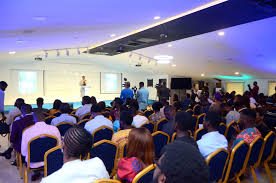
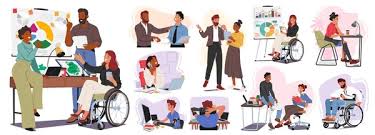
Training on Disability Inclusion in Nigerian Society: Building an Inclusive Future
Disability inclusion has become a critical conversation worldwide, and Nigeria is gradually embracing the importance of creating a society that values diversity and equal opportunity. With more than 29 million Nigerians living with one form of disability according to the World Health Organization (WHO) estimates, ensuring inclusivity is no longer optional—it is a necessity for sustainable development.
Disability inclusion means recognizing the rights and potential of people with disabilities, removing physical, social, and institutional barriers, and providing equal opportunities for participation in education, employment, politics, and community life. One of the most effective ways to achieve this is through disability inclusion training in Nigeria.
This article explores the importance of disability inclusion training, its objectives, benefits, challenges, and strategies for building a more inclusive Nigerian society.
Understanding Disability Inclusion in Nigeria
Disability inclusion is about ensuring that people with disabilities are not sidelined but are integrated into mainstream society. In Nigeria, people with disabilities often face discrimination, limited access to education, healthcare, transportation, and employment. Despite the passage of the Discrimination Against Persons with Disabilities (Prohibition) Act in 2019, enforcement remains weak, and cultural stigmas persist.
Disability inclusion training aims to address these challenges by raising awareness, equipping organizations, communities, and individuals with knowledge on inclusive practices, and promoting respect for the rights of persons with disabilities (PWDs).
Objectives of Disability Inclusion Training in Nigeria
Training on disability inclusion has clear and practical objectives that cut across social, economic, and cultural domains. These include:
Raising awareness on the rights and capabilities of persons with disabilities.
Breaking stereotypes and cultural stigmas associated with disability.
Training organizations and employers on inclusive recruitment and workplace practices.
Encouraging accessible infrastructure, such as ramps, elevators, and digital accessibility.
Empowering people with disabilities with advocacy, leadership, and entrepreneurial skills.
Promoting community-based rehabilitation and support systems.
Supporting compliance with Nigeria’s disability laws and global standards such as the UN Convention on the Rights of Persons with Disabilities (UNCRPD).
Components of Disability Inclusion Training
1. Awareness and Sensitization
This involves educating communities, employers, and institutions about disability rights and inclusion. It focuses on correcting misconceptions, reducing stigma, and fostering respect and empathy.
2. Inclusive Education Training
Teachers and school administrators are trained on inclusive teaching methods, sign language, and assistive technologies to ensure that children with disabilities have equal learning opportunities.
3. Workplace Inclusion Training
Employers are taught how to implement inclusive hiring, provide reasonable accommodations, and create accessible work environments where employees with disabilities can thrive.
4. Accessibility and Infrastructure Training
Urban planners, architects, and policymakers learn about designing accessible buildings, transportation systems, and digital platforms to ensure physical and digital inclusivity.
5. Advocacy and Policy Training
People with disabilities and advocacy groups are trained to engage policymakers, lobby for enforcement of disability laws, and participate in governance and decision-making processes.
6. Entrepreneurship and Economic Empowerment
Many PWDs face barriers to formal employment. Training programs equip them with entrepreneurship and vocational skills, enabling them to become self-reliant.
Benefits of Disability Inclusion Training
Disability inclusion training delivers far-reaching benefits to individuals, organizations, and society at large:
For Individuals with Disabilities: It empowers them with confidence, skills, and opportunities to participate actively in society.
For Employers and Organizations: Inclusive workplaces attract diverse talent, improve employee morale, and boost productivity.
For Communities: Inclusion fosters unity, reduces discrimination, and promotes social harmony.
For the Economy: By unlocking the potential of millions of Nigerians with disabilities, the nation benefits from increased productivity and innovation.
For Governance: Inclusive policies and leadership ensure that development initiatives cater to everyone, leaving no one behind.
Challenges to Disability Inclusion in Nigeria
Despite progress, disability inclusion in Nigeria faces significant barriers:
Cultural Stigmas and Misconceptions – Many communities view disability through a lens of pity, superstition, or shame, discouraging active participation of PWDs.
Inadequate Infrastructure – Most public buildings, transportation systems, and schools are not designed with accessibility in mind.
Limited Enforcement of Laws – While Nigeria has disability rights legislation, weak enforcement reduces its impact.
Unemployment and Poverty – Many persons with disabilities struggle to secure decent jobs, pushing them into poverty.
Low Representation in Governance – PWDs are underrepresented in political and policy-making spaces.
Digital Exclusion – Many websites, apps, and online services in Nigeria are not accessible to people with visual or hearing impairments.
The Role of NGOs and Stakeholders in Disability Inclusion
Several organizations and stakeholders are playing vital roles in advancing disability inclusion in Nigeria:
Joint National Association of Persons with Disabilities (JONAPWD) – Advocates for disability rights and policy implementation.
National Commission for Persons with Disabilities (NCPWD) – Oversees enforcement of the Disability Act and promotes inclusion initiatives.
International Organizations – Bodies like the United Nations, World Bank, and NGOs such as Sightsavers support training, funding, and advocacy.
Private Sector and Employers – Inclusive businesses lead by example, promoting equal opportunity workplaces.
Collaboration between government, NGOs, private sector, and communities is essential to strengthen training programs and scale impact.
Best Practices for Effective Disability Inclusion Training
To achieve maximum impact, disability inclusion training in Nigeria should follow these best practices:
Community Engagement – Training should involve traditional leaders, families, and community members to dismantle stigma.
Inclusive Curriculum Design – Training should cover practical case studies, role-playing, and real-life success stories of PWDs.
Use of Assistive Technology – Integrating tools like screen readers, hearing aids, and braille materials ensures effective participation.
Gender-Sensitive Approach – Women with disabilities face double discrimination; training must address their specific needs.
Monitoring and Evaluation – Programs should include measurable outcomes to track progress and impact.
The Future of Disability Inclusion in Nigeria
The future of disability inclusion in Nigeria lies in mainstreaming disability rights into all development agendas, increasing public-private partnerships, and leveraging technology. For example:
Digital Inclusion: Online training programs, accessible apps, and virtual classrooms can reach millions of PWDs.
Policy Implementation: Stronger enforcement of disability laws will ensure that inclusion is not just theoretical but practical.
Youth Engagement: Training young people about disability inclusion will shape a more empathetic and inclusive future.
Inclusive Governance: Political parties and government institutions must prioritize disability representation in leadership positions.
By investing in training, advocacy, and systemic reforms, Nigeria can become a truly inclusive society where everyone has equal opportunities to thrive.
Training on disability inclusion in Nigerian society is a powerful strategy to build a nation that values diversity, human dignity, and equal opportunity. Beyond compliance with laws, disability inclusion is about creating a society where people with disabilities are respected, empowered, and given platforms to contribute their talents.
As Nigeria seeks sustainable growth, it cannot afford to leave millions of its citizens behind. Disability inclusion training offers the roadmap to a future where every Nigerian—regardless of ability—has a chance to live with dignity, access opportunities, and contribute meaningfully to national development.