
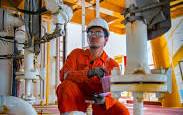
Training on Environmental Safety in the Oil and Gas Industry in Nigeria
The oil and gas industry has long been the backbone of Nigeria’s economy, contributing a significant share of government revenue, foreign exchange earnings, and industrial development. However, alongside its economic importance, the sector has been a major contributor to environmental challenges such as oil spills, gas flaring, land degradation, and air and water pollution.
These environmental issues have affected communities, reduced agricultural productivity, endangered human health, and damaged ecosystems. As global attention increasingly turns toward sustainable practices and responsible resource management, training on environmental safety in the oil and gas industry in Nigeria has become essential.
Such training is designed to equip workers, regulators, managers, and community stakeholders with the knowledge, tools, and skills required to manage environmental risks, implement safety standards, and ensure compliance with both national and international environmental regulations. It also plays a pivotal role in preparing Nigeria’s oil and gas workforce to align with global best practices in sustainability and environmental stewardship.
The Importance of Environmental Safety in Nigeria’s Oil and Gas Sector
Nigeria’s oil and gas operations are concentrated in the Niger Delta, a region that has experienced decades of environmental degradation. Oil spills have contaminated farmlands and water bodies, while routine gas flaring has contributed to greenhouse gas emissions and local air pollution. These environmental impacts not only harm ecosystems but also disrupt livelihoods, causing tensions between oil companies and host communities.
Training on environmental safety ensures that stakeholders understand the significance of preventing and mitigating these impacts. By embedding environmental safety practices into daily operations, oil and gas companies can reduce pollution, improve efficiency, and maintain social license to operate. For employees, training reduces risks of accidents, improves workplace safety, and fosters a culture of responsibility.
Key Areas Covered in Environmental Safety Training
Environmental safety training in Nigeria’s oil and gas industry focuses on several core areas. One of the most important is oil spill prevention and response. Participants are trained on identifying potential spill risks, implementing containment measures, and executing cleanup procedures when spills occur. This includes the use of modern technologies such as oil spill detection systems, absorbent materials, and bioremediation techniques.
Gas flaring management is another critical area. While gas flaring has historically been widespread in Nigeria, training programs emphasize the environmental and economic costs of the practice. Participants learn about technologies for gas capture and utilization, such as liquefied natural gas (LNG) and compressed natural gas (CNG) systems, which convert waste gas into valuable energy resources.
Waste management is also central to training. Oil and gas operations produce hazardous and non-hazardous waste, including drilling fluids, chemical residues, and contaminated soil. Training ensures that workers understand how to properly handle, treat, and dispose of these materials in compliance with environmental regulations. This reduces risks to both the environment and human health.
Another focus area is air and water quality monitoring. Participants learn how to measure emissions, detect leaks, and monitor water quality in areas surrounding oil and gas operations. By understanding these monitoring techniques, workers and regulators can identify environmental risks early and implement corrective measures.
Finally, environmental safety training covers regulatory compliance. Nigeria has several agencies responsible for enforcing environmental standards in the oil and gas sector, including the National Environmental Standards and Regulations Enforcement Agency (NESREA) and the Nigerian Upstream Petroleum Regulatory Commission (NUPRC). Training ensures that participants understand the legal requirements governing environmental safety, as well as international standards such as ISO 14001 for environmental management systems.
Building Capacity and Skills for Environmental Stewardship
A major benefit of environmental safety training is capacity building. Oil and gas operations are highly technical and require skilled professionals who can apply environmental safety measures effectively. Training programs combine classroom instruction with hands-on exercises, case studies, and simulations to build both theoretical knowledge and practical skills.
For engineers and technicians, training provides detailed guidance on incorporating environmental safety into equipment design, pipeline management, and drilling operations. For managers and supervisors, it emphasizes leadership, decision-making, and the importance of cultivating a safety-first culture across organizations. Regulators and community stakeholders also benefit from training, as it strengthens their ability to monitor, enforce, and advocate for environmental standards.
By building human capital in this way, training ensures that Nigeria develops a workforce capable of balancing economic growth with environmental sustainability.
The Role of Technology and Innovation
Environmental safety training also introduces participants to emerging technologies that improve safety and reduce environmental risks. These include real-time monitoring systems for pipelines, drones for environmental inspections, and advanced software for environmental impact assessments (EIAs). Digital solutions such as Geographic Information Systems (GIS) help track environmental data, predict risks, and design preventive strategies.
Innovation is particularly important in Nigeria’s oil and gas industry, where outdated infrastructure and poor maintenance have historically contributed to accidents and spills. Training that emphasizes modern technology ensures that participants can apply innovative solutions to long-standing problems, making operations safer and more efficient.
The Link Between Environmental Safety and Corporate Social Responsibility
For oil and gas companies in Nigeria, environmental safety is closely tied to corporate social responsibility (CSR). Host communities often bear the brunt of environmental degradation, leading to conflicts and mistrust. Training programs highlight the importance of engaging with communities, implementing CSR initiatives, and ensuring that environmental safety measures directly benefit local populations.
By linking environmental safety to CSR, training helps participants understand how protecting the environment also supports social stability, enhances corporate reputation, and creates long-term value for both companies and communities.
Regulatory Frameworks and Compliance
Environmental safety training also examines the policies and laws that govern oil and gas operations in Nigeria. Key frameworks include the Environmental Guidelines and Standards for the Petroleum Industry in Nigeria (EGASPIN), the Petroleum Industry Act (PIA), and environmental impact assessment (EIA) regulations. International standards such as those set by the World Bank and International Finance Corporation (IFC) are also discussed.
Through training, participants gain a clear understanding of these frameworks and the consequences of non-compliance, including fines, litigation, and reputational damage. This ensures that companies and workers align their practices with both local laws and international expectations.
The Future of Environmental Safety in Nigeria’s Oil and Gas Industry
As Nigeria positions itself within the global energy transition, environmental safety will only grow in importance. While oil and gas remain central to the economy, the global shift toward cleaner energy means companies must adopt more sustainable practices to remain competitive. Training on environmental safety ensures that Nigeria’s workforce is prepared for this future, capable of operating responsibly in a world that demands both energy and environmental protection.
The integration of renewable energy, carbon capture technologies, and green innovations will further expand the scope of environmental safety training. Workers will need to understand not only traditional oil and gas risks but also the complexities of operating within a diversified energy system.
Training on environmental safety in the oil and gas industry in Nigeria is no longer optional; it is a necessity for sustainable development, social stability, and global competitiveness. By equipping stakeholders with the knowledge, skills, and tools to manage environmental risks, training programs ensure that oil and gas operations contribute to economic growth while safeguarding ecosystems and communities.
Nigeria’s oil and gas sector stands at a critical crossroads, where environmental responsibility must go hand in hand with profitability. Training empowers the workforce to adopt best practices, leverage modern technology, and comply with regulatory frameworks, setting the stage for a cleaner, safer, and more sustainable energy industry.
As the country looks toward its future in both oil and renewable energy, environmental safety will remain a cornerstone of progress, and training will be the key to achieving it.