
Training on Fashion Design and Tailoring Business in Nigeria: Building Skills for a Thriving Creative Industry
Nigeria’s fashion industry is one of the most vibrant in Africa, combining rich cultural heritage with modern style innovations. From the intricate patterns of Ankara and Aso-Oke to the elegant cuts of contemporary fashion, the country’s designers and tailors are making waves locally and internationally.
The global recognition of Nigerian fashion houses on platforms such as Lagos Fashion Week and other international runways has proven that the sector holds enormous potential.
At the heart of this thriving industry is the need for skilled fashion designers and tailors who not only understand the art of design but also the business side of fashion.
For beginners and aspiring entrepreneurs, training on fashion design and tailoring business in Nigeria offers the knowledge, skills, and practical experience needed to turn creativity into a profitable career.
This training goes beyond learning how to sew—it provides an in-depth understanding of fabric selection, pattern drafting, garment construction, finishing, and fashion entrepreneurship.
The Importance of Training in Fashion Design and Tailoring
Fashion design and tailoring have long been part of Nigeria’s cultural and economic fabric. Traditionally, tailoring shops were passed down through generations, and knowledge was acquired informally. However, the modern fashion industry demands professionalism and innovation that can only be achieved through structured training.
Training programs in Nigeria now focus on equipping learners with technical sewing skills, creative design techniques, and entrepreneurial abilities. They help individuals master the art of clothing construction while also exposing them to the business aspects such as pricing, marketing, branding, and customer service. Without this combination of creative and business skills, many talented individuals struggle to turn their passion into sustainable ventures.
The significance of training also lies in the competitive nature of the industry. Nigeria’s urban centers, especially Lagos, Abuja, and Port Harcourt, are saturated with tailors and designers, but many lack the expertise to deliver high-quality work that meets global standards. Customers are increasingly demanding better finishing, unique designs, and timely delivery. Training prepares beginners to meet and exceed these expectations, ensuring they can stand out in a crowded marketplace.
What Beginners Gain from Fashion and Tailoring Training
A typical training program in Nigeria exposes learners to every stage of the fashion design process. It starts with basic knowledge of fabrics and how to select appropriate materials for different outfits, from traditional wear to corporate attire and haute couture. Trainees learn pattern drafting and garment cutting, ensuring that designs are well-structured and properly fitted. They are taught how to handle different types of sewing machines, including manual, electric, and industrial models, as well as finishing tools that enhance the quality of garments.
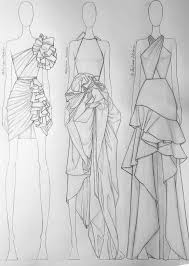
Creativity is also nurtured through modules that focus on sketching, styling, and adapting trends to suit local preferences. Trainees are encouraged to explore color combinations, embroidery, beadwork, and other embellishments that make Nigerian fashion unique. Beyond the technical skills, many training programs include instruction in entrepreneurship, teaching learners how to build fashion brands, manage client relationships, and use social media for marketing.
Another crucial benefit of training is exposure to modern trends in fashion technology. Digital design tools, fashion illustration software, and online retail platforms are now integrated into many programs. This ensures that learners are not just trained for local markets but are prepared to compete globally.
Fashion Training Institutions and Platforms in Nigeria
Nigeria is home to a wide range of institutions that provide training in fashion design and tailoring. From formal academies to local tailoring schools, opportunities are available for every budget and career goal. Established institutions like the Lagos School of Fashion, Zaris Fashion and Style Academy, and OSC College of Fashion offer comprehensive programs that cover both technical and creative aspects of fashion. They often combine classroom instruction with hands-on workshops, ensuring learners get real-world experience.
Many fashion entrepreneurs also offer private mentorship and workshops where beginners can learn directly from experienced designers. These informal setups are popular in communities across Nigeria, making training accessible even in smaller towns. In recent years, online platforms have also grown in importance. Websites such as Udemy, Coursera, and specialized fashion learning portals now provide affordable courses that Nigerians can access from anywhere, removing geographical limitations.
Career Opportunities in Fashion and Tailoring
The opportunities available to those who undergo fashion design and tailoring training in Nigeria are vast. Many graduates go on to establish their own fashion houses, producing bespoke clothing for clients. Others become tailors who specialize in everyday wear, school uniforms, or traditional outfits. Fashion shows and exhibitions provide platforms for designers to showcase their creativity, while collaborations with retailers open doors to larger markets.
The entertainment and event industries also create demand for fashion professionals, as celebrities and performers frequently require unique designs for appearances. Additionally, the rise of e-commerce has expanded the industry beyond physical shops. Designers and tailors now sell their clothing lines on Instagram, Jumia, Konga, and other platforms, reaching both local and international customers.
Employment opportunities also exist in larger fashion firms, garment factories, and corporate fashion departments. For those interested in teaching, becoming a fashion instructor or mentor is another viable career path, especially as demand for training continues to grow.
Challenges in the Fashion and Tailoring Business
Despite its vast opportunities, the fashion industry in Nigeria is not without challenges. One of the most pressing issues is the high cost of setting up a tailoring business. Industrial sewing machines, embroidery machines, and fashion software are expensive for beginners, making capital a significant barrier. The inconsistent power supply in the country also poses problems for production and delivery timelines, while imported fabrics and accessories are often subject to fluctuating prices due to exchange rate instability.
Another challenge is competition. While there are many tailors and designers, the quality of services varies widely. Poor finishing, late delivery, and lack of professionalism remain issues that drive customers toward more established or international brands. To overcome these challenges, training programs emphasize discipline, time management, and continuous skill improvement.
How Beginners Can Succeed After Training
Success in the Nigerian fashion industry depends not only on technical ability but also on business acumen. Beginners who emerge from training are advised to start small, focusing on building a reputation for quality before expanding. They can leverage social media platforms like Instagram, TikTok, and Facebook to showcase their designs, attract clients, and build loyal communities. Networking is also crucial—participating in fashion exhibitions, collaborating with photographers and stylists, and working with influencers can significantly boost visibility.
Creativity and uniqueness are key to standing out. By blending traditional Nigerian styles with modern designs, tailors and designers can appeal to both local and global audiences. Pricing strategies must also be carefully considered to balance affordability with profitability. With consistent practice, dedication, and continuous learning, beginners can rise to become some of Nigeria’s leading fashion entrepreneurs.
The Future of Fashion in Nigeria
The future of fashion design and tailoring in Nigeria is bright. With a growing youthful population, rising disposable incomes, and increasing global recognition, demand for stylish, locally made clothing is set to expand. Nigerian designers are already making waves internationally, and as more professionals receive training, the industry will only grow stronger. The integration of technology, including digital design tools and online marketplaces, will continue to transform the industry, making it easier for Nigerian fashion brands to compete globally.
Moreover, there is a renewed interest in promoting Made-in-Nigeria products, which positions local designers and tailors to benefit from government and private sector support. With sustainability becoming a global fashion trend, Nigerian designers also have the opportunity to lead in eco-friendly practices, using locally sourced fabrics and innovative recycling techniques.
Training on fashion design and tailoring business in Nigeria is a gateway to one of the most dynamic and rewarding industries in the country. It provides aspiring entrepreneurs with the technical expertise, creative skills, and business knowledge necessary to succeed in a highly competitive but profitable sector.
With structured training, beginners can transform raw passion into professional mastery, positioning themselves for success in a market that continues to expand both locally and internationally.
Though challenges such as high equipment costs and competition exist, opportunities far outweigh the obstacles.
Fashion in Nigeria is not just about clothing—it is a cultural expression, an economic driver, and a global identity. For anyone ready to take a step into this exciting world, investing in training today is the first move toward building a sustainable and impactful career.