Training on Nutrition and Dietetics for Nigerian Homes
Nutrition and dietetics are central to healthy living, disease prevention, and overall well-being. In Nigeria, where malnutrition and diet-related illnesses continue to pose major public health challenges, training on nutrition and dietetics has become increasingly important.
From undernutrition in children to lifestyle-related conditions such as obesity, diabetes, hypertension, and heart disease, the role of food choices in maintaining health cannot be underestimated.
Providing Nigerian households with proper knowledge of nutrition and dietetics empowers families to adopt healthier eating habits, make informed food choices, and prevent avoidable illnesses.
The Importance of Nutrition in Nigerian Homes
Nigeria is blessed with an abundance of natural food resources, including grains, legumes, vegetables, fruits, and protein sources like fish, poultry, and livestock. Yet, despite this diversity, malnutrition remains prevalent. According to UNICEF, millions of Nigerian children suffer from stunting, wasting, and micronutrient deficiencies.
On the other hand, urbanization and changing lifestyles have led to increased consumption of processed foods, fast food, and sugary drinks, resulting in a rise in obesity and diet-related diseases.
Proper nutrition not only promotes physical health but also enhances mental development, boosts immunity, and improves productivity. For children, balanced diets ensure proper growth, cognitive development, and academic performance. For adults, good nutrition helps prevent chronic diseases, increases energy levels, and promotes longevity.
Training on nutrition and dietetics for Nigerian homes therefore seeks to address knowledge gaps and provide practical skills for everyday meal planning and dietary management.
Objectives of Training on Nutrition and Dietetics
The training is designed to achieve several objectives that directly benefit Nigerian families. First, it aims to educate households about the fundamentals of nutrition, including macronutrients (carbohydrates, proteins, and fats) and micronutrients (vitamins and minerals).
Second, it provides practical skills in meal planning and preparation, ensuring meals are balanced, affordable, and culturally acceptable.
Third, the training emphasizes the importance of food hygiene and safety to prevent foodborne illnesses.
Additionally, the training focuses on nutrition for specific groups such as infants, children, pregnant and lactating mothers, the elderly, and individuals with chronic conditions like diabetes or hypertension. By tailoring nutrition education to these groups, households can better manage dietary needs at different stages of life.
Components of the Training
A well-structured nutrition and dietetics training program for Nigerian homes typically covers several important components.
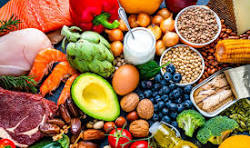
Participants learn about basic principles of nutrition, such as the roles of carbohydrates for energy, proteins for growth and repair, fats for energy storage, vitamins and minerals for body functions, and water for hydration. They are taught to identify sources of these nutrients in locally available foods.
The training also emphasizes meal planning and portion control. Families are guided on how to create balanced meals that include all food groups in the right proportions. For example, a typical Nigerian plate can be structured to include staples like rice, yam, or cassava, paired with legumes, vegetables, and proteins like fish or chicken.
Another key component is nutrition through the life cycle. Pregnant women learn about the importance of folic acid, iron, and calcium, while lactating mothers are educated on maintaining a nutrient-rich diet to support breastfeeding.
For children, the focus is on exclusive breastfeeding for the first six months, complementary feeding, and ensuring adequate micronutrients for growth. Older adults are educated on diets that reduce risks of cardiovascular diseases and osteoporosis.
The training also addresses diet and disease management. With the rising incidence of lifestyle-related diseases, families are taught dietary strategies to prevent and manage conditions such as diabetes, hypertension, obesity, and high cholesterol. For instance, reducing salt intake, avoiding trans fats, and increasing fruit and vegetable consumption are emphasized.
Food safety and hygiene practices are another critical aspect. Households are trained to wash, cook, and store food properly to prevent contamination and foodborne illnesses.
Target Audience
The training is relevant to a wide range of individuals and families. Mothers and caregivers benefit the most, as they are often responsible for preparing meals and managing household nutrition. Fathers and guardians also benefit, as their support and decision-making are crucial in ensuring families prioritize healthy food choices. Students, domestic workers, and even community leaders can also participate in the training to spread awareness within their circles.
Benefits of Nutrition and Dietetics Training for Nigerian Homes
The benefits of this training extend far beyond the individual to entire communities and the nation as a whole.
For households, training helps reduce the risk of malnutrition and diet-related diseases. Families learn to make cost-effective but nutritious meals, ensuring even low-income households can achieve better health outcomes. It also leads to healthier children with improved school performance and reduced susceptibility to illnesses.
For adults, training encourages lifestyle changes that prevent chronic conditions such as diabetes, hypertension, and obesity. This translates into reduced healthcare costs and increased productivity.
At a broader level, communities benefit from improved public health, stronger workforces, and greater awareness about the importance of food choices. The nation benefits from lower disease burdens, improved life expectancy, and enhanced socioeconomic development.
Challenges of Nutrition and Dietetics Training in Nigeria
Despite its importance, training on nutrition and dietetics in Nigeria faces several challenges.
Poverty and food insecurity remain significant obstacles. Many families know what constitutes a balanced diet but cannot afford diverse foods due to low income. Cultural beliefs and practices also influence dietary habits, sometimes discouraging the consumption of certain nutritious foods.
In rural areas, lack of access to nutritionists, dietitians, and training programs limits awareness. Meanwhile, in urban areas, busy lifestyles and exposure to fast food culture make it difficult for families to consistently adopt healthy diets.
Another challenge is misinformation. Many Nigerians rely on unverified nutrition advice from social media, which often leads to poor dietary decisions. Strengthening training programs with accurate, evidence-based information is essential to counter this trend.
The Role of Government and Stakeholders
Government agencies such as the Federal Ministry of Health and the National Agency for Food and Drug Administration and Control (NAFDAC) play crucial roles in promoting nutrition. Policies such as food fortification programs, nutrition-sensitive agriculture, and school feeding programs have been introduced to address malnutrition.
International organizations like UNICEF, WHO, and FAO also support nutrition initiatives through funding, technical expertise, and capacity building. Non-governmental organizations (NGOs), community groups, and private sector players contribute by organizing training sessions, developing educational materials, and promoting local food solutions.
Expanding training programs on nutrition and dietetics for Nigerian homes will require greater collaboration between these stakeholders, as well as innovative approaches such as digital learning platforms, community radio, and school-based education.
To strengthen the impact of nutrition and dietetics training in Nigeria, more efforts must be made to integrate nutrition education into school curricula, workplace wellness programs, and community health initiatives. Leveraging technology, such as mobile apps and e-learning platforms, can also expand access to training, especially for young people and urban dwellers.
Government policies should prioritize subsidies for nutritious foods, support for local food production, and stricter regulations on processed foods and sugary drinks. Public awareness campaigns should continue to emphasize the importance of healthy eating and lifestyle habits.
By promoting continuous training on nutrition and dietetics, Nigeria can move closer to achieving Sustainable Development Goal 2 (Zero Hunger) and Sustainable Development Goal 3 (Good Health and Well-Being).
Training on nutrition and dietetics for Nigerian homes is a powerful tool for addressing the dual burden of malnutrition and diet-related diseases. It equips families with the knowledge and skills to make healthier food choices, prevent illnesses, and promote overall well-being.
Despite challenges such as poverty, cultural barriers, and limited access to professional guidance, the benefits of such training far outweigh the obstacles.
Investing in nutrition education at the household level is not only a health priority but also a pathway to national development. When families eat better, communities thrive, and the nation prospers.
For those interested in further learning, specialized nutrition and health-related training programs can be accessed on Learnora.ng.
Trainers are also encouraged to list their nutrition and dietetics programs on the platform for free, reaching a wider audience and contributing to healthier Nigerian homes.