
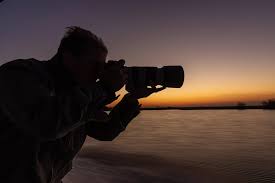
Training on Photography and Videography for Beginners in Nigeria: Unlocking Creative Skills in the Digital Era
In today’s world, dominated by visuals and digital content, photography and videography have become indispensable skills. In Nigeria, where social media platforms, the entertainment industry, and digital marketing drive much of daily life, the demand for high-quality images and videos has never been greater.
Whether it is for weddings, corporate events, film production, YouTube content, or TikTok storytelling, professional photographers and videographers are in constant demand. For beginners who dream of entering this vibrant and lucrative space, structured training programs in photography and videography provide the foundation needed to succeed.
These programs introduce learners to the art and science of visual storytelling, equip them with technical know-how, and prepare them to compete in Nigeria’s growing creative economy.
The Importance of Training in Nigeria’s Creative Landscape
Photography and videography training in Nigeria is not just about learning to operate a camera. It is about developing the ability to tell compelling stories, preserve cultural memories, and create content that resonates with audiences. Many beginners often believe that passion alone is enough, but without the right training, technical skills, and understanding of the industry, growth can be slow and frustrating. With structured training, aspiring photographers and videographers gain confidence and clarity in their craft.
The market demand for visual creators in Nigeria is immense. Weddings alone create a billion-naira industry where photographers and videographers play central roles. Nollywood, one of the world’s largest film industries, thrives on skilled videographers and editors. Social media influencers, corporate advertisers, and content marketers also rely heavily on professional visuals to promote their brands.
Training ensures that beginners are not only ready to meet this demand but are also capable of creating work that stands out in an increasingly crowded market.
Beyond financial opportunities, photography and videography training also empower individuals with the skills to document Nigeria’s cultural diversity. Festivals, traditional events, landscapes, and everyday life can be captured and preserved for future generations. In this way, photography and videography become tools of cultural preservation as much as they are tools for personal success.
What Beginners Learn Through Training
A good training program in Nigeria for beginners covers both technical and creative aspects. Learners are introduced to the basics of photography and videography, including understanding cameras, lenses, settings, and the differences between digital single-lens reflex (DSLR), mirrorless, and smartphone cameras. They also study exposure, aperture, shutter speed, and ISO, which form the backbone of camera operation. On the videography side, trainees are introduced to frame rates, resolutions, and the fundamentals of motion capture.
Lighting is another essential part of training. Beginners discover how to use natural light effectively and how to work with artificial lighting tools such as LED lights, reflectors, and studio setups. This knowledge is crucial because even the best cameras cannot produce great results without good lighting.
Another key area of training is composition. Participants are guided on how to frame subjects, apply storytelling techniques, and create visually compelling shots. In videography, composition and framing are combined with motion and audio to produce complete narratives.
No training is complete without an introduction to editing and post-production. Learners acquire practical skills in using software such as Adobe Lightroom and Photoshop for photo editing and Adobe Premiere Pro, Final Cut Pro, or DaVinci Resolve for video editing. They practice color correction, sound design, and special effects, which transform raw footage into professional-quality work.
Finally, training also prepares beginners for the business side of photography and videography. They learn how to build portfolios, manage clients, negotiate contracts, and use social media to promote their services. By the end of their training, beginners are not only capable of taking great pictures and videos but are also equipped to turn their passion into a sustainable career.
Training Options Available in Nigeria
Aspiring photographers and videographers in Nigeria are fortunate to have multiple avenues for training. Professional institutions such as Nikon School Nigeria, Africa Film Academy, PEFTI Film Institute, and Del-York Creative Academy provide structured programs that combine classroom teaching with hands-on practice. Many local studios also offer short-term workshops that give beginners a practical, affordable introduction to the field. In addition, the rise of online learning platforms such as Udemy, Skillshare, and Coursera has made it possible for Nigerians to learn from international experts without leaving their homes.
These options ensure that beginners, regardless of location or budget, can find a training program that suits their needs. While institutions in Lagos and Abuja are more prominent, learners in other regions can take advantage of online platforms or community-based workshops.
Career Prospects After Training
Training in photography and videography opens doors to numerous career paths. Many graduates start by covering weddings, birthdays, and corporate functions, which provide steady income and experience. Others venture into commercial photography, working with brands to create advertising content or product shoots. Videography also creates opportunities in the film and entertainment industries, where beginners can contribute to Nollywood, music videos, and documentary production.
The rise of social media has also created new possibilities. Beginners with strong skills can build careers as content creators on YouTube, TikTok, and Instagram. Many Nigerian influencers now generate income by producing high-quality video content that attracts audiences and brand partnerships. For those who prefer independence, freelancing and establishing personal studios are viable paths, allowing creative professionals to control their schedules and earnings.
As Nigerian businesses embrace digital transformation, opportunities for visual creators continue to expand. From e-commerce product photography to corporate storytelling videos, the demand for skilled professionals is rising steadily. Beginners who commit to training can easily transition into these diverse and rewarding opportunities.
Challenges Facing Beginners
Like many industries in Nigeria, photography and videography are not without challenges. Equipment costs remain a major barrier, as professional cameras, lenses, lighting tools, and editing software are expensive. Access to training is also uneven, with most institutions located in urban centers, leaving aspiring learners in rural areas underserved. Additionally, inconsistent power supply complicates the editing process, while internet costs make it harder for beginners to access online training or upload large files.
Competition is another challenge, particularly in cities such as Lagos and Abuja where many professionals already operate. To stand out, beginners must develop unique styles and maintain high levels of professionalism. Issues such as piracy and copyright infringement also affect the industry, as original work is often stolen or used without permission.
Strategies for Success
Despite these challenges, beginners who undergo training and remain dedicated can thrive. Starting small with entry-level equipment and gradually upgrading helps reduce financial pressure. Practicing consistently and building a portfolio on platforms like Instagram, YouTube, and personal websites is essential for visibility. Networking with event planners, content creators, and marketing agencies also creates opportunities for collaboration.
Specializing in a niche such as wedding photography, product videography, or travel storytelling can help beginners carve out unique markets. Continued learning is equally important, as technology and creative trends evolve rapidly. Those who stay updated with the latest tools and techniques have a better chance of remaining competitive.
The Future of Photography and Videography in Nigeria
The outlook for photography and videography in Nigeria is promising. Social media continues to fuel the demand for quality visuals, while Nollywood and the music industry create additional platforms for videographers to shine. E-commerce is expanding, requiring more product photographers to drive online sales. Nigerian creatives are also gaining recognition globally, showing that professionals from the country can compete on the world stage.
For beginners, this means opportunities are only growing. With proper training, they can secure their place in this dynamic industry, build rewarding careers, and contribute to Nigeria’s cultural and economic growth.
Training on photography and videography for beginners in Nigeria provides more than just technical knowledge. It equips learners with creative, entrepreneurial, and professional skills that are essential in today’s digital era. By mastering camera handling, lighting, editing, and storytelling, beginners position themselves for success in weddings, corporate events, social media, Nollywood, and beyond.
Although challenges such as high equipment costs and competition exist, the opportunities available in this space make it an attractive career path. As Nigeria continues to embrace digital transformation, the role of skilled visual creators will only grow stronger. Beginners who invest in training today are preparing themselves not just for local relevance but for global competitiveness.
Photography and videography are more than just creative outlets—they are tools for economic empowerment, cultural preservation, and digital storytelling. For Nigerians ready to step into this exciting world, the journey begins with proper training.