
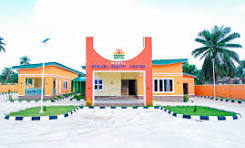
Training on Primary Health Care Delivery in Nigeria
Primary Health Care (PHC) delivery is the backbone of any effective health system. In Nigeria, a country with a population of over 200 million people and a high burden of communicable and non-communicable diseases, strengthening PHC has become a national priority.
Training on Primary Health Care Delivery is essential for equipping health professionals, policymakers, and community health workers with the knowledge and skills needed to provide accessible, affordable, and quality health services to Nigerians.
The concept of PHC was globally recognized in 1978 through the Alma-Ata Declaration, which emphasized health as a fundamental human right and underscored the need for universal access to essential health care.
In Nigeria, the National Health Policy has repeatedly highlighted PHC as the foundation of the health system, given its role in disease prevention, health promotion, maternal and child health, immunization, and treatment of common ailments.
However, challenges such as inadequate funding, poor infrastructure, shortage of trained personnel, and weak community participation continue to hinder effective PHC delivery. This makes capacity-building through specialized training programs critically important.
Training on Primary Health Care Delivery in Nigeria is designed to address these gaps by focusing on both theoretical and practical approaches to strengthening health systems. Such programs typically cover areas such as community-based health interventions, maternal and child health services, immunization strategies, nutrition, sanitation, and disease prevention.
They also emphasize the importance of equity, cultural sensitivity, and inclusive healthcare that leaves no one behind. For frontline health workers, these trainings provide the competencies needed to deliver services at the grassroots level, especially in rural and underserved communities.
One of the major goals of PHC training is to empower community health extension workers (CHEWs), nurses, midwives, and doctors to function effectively within the referral system. Nigeria’s health system is structured in tiers, with PHC centers serving as the first point of contact for individuals seeking care.
Effective training ensures that health professionals at this level can diagnose and treat common diseases, manage maternal and neonatal emergencies, administer vaccinations, and educate communities on preventive health practices. In doing so, the burden on secondary and tertiary facilities is reduced, and more people gain timely access to life-saving interventions.
Technology has become a valuable tool in PHC training across Nigeria. E-learning platforms, simulation-based learning, and telemedicine tools are increasingly being integrated into training modules. These innovations allow health workers to gain updated knowledge without leaving their communities or jobs. For example, mobile health applications can be used to train CHEWs on immunization schedules, drug administration, and health data reporting.
Virtual training platforms also create opportunities for continuous professional development, ensuring that healthcare workers remain equipped with current best practices.
The importance of training on PHC delivery is further amplified by Nigeria’s disease burden. Outbreaks of diseases like cholera, malaria, measles, and Lassa fever often start at the community level. Properly trained PHC workers are better positioned to detect, manage, and report these cases promptly, thereby preventing escalation.
Additionally, Nigeria’s maternal mortality ratio and infant mortality rates remain among the highest globally. Well-structured PHC training directly contributes to reducing these figures by equipping health professionals with skills in safe delivery, antenatal care, postnatal follow-up, and family planning services.
Equally important is the role of PHC training in achieving Universal Health Coverage (UHC) in Nigeria. UHC cannot be attained without strengthening the primary level of care, which is closest to the people. Training equips workers to deliver quality services at scale, ensuring that even the most vulnerable populations have access to health care. By focusing on preventive and promotive care, PHC reduces overall healthcare costs while improving health outcomes.
This aligns with the Sustainable Development Goals (SDGs), particularly Goal 3, which targets good health and well-being for all.
The Nigerian government, through the National Primary Health Care Development Agency (NPHCDA), has initiated various programs to improve the quality of PHC services, but these efforts rely heavily on well-trained personnel.
Partnerships with international organizations such as the World Health Organization (WHO), UNICEF, and donor agencies have also played a key role in expanding training programs across the country.
Continuous investment in training is not just about professional development; it is about saving lives, building healthier communities, and reducing the inequities in healthcare access.
However, challenges remain. Many PHC workers face poor working conditions, inadequate remuneration, and lack of career progression opportunities, which can affect the effectiveness of training programs. Infrastructure gaps such as poorly equipped PHC centers and shortage of essential medicines also limit the practical application of acquired skills.
Addressing these systemic challenges is necessary to ensure that training translates into improved healthcare delivery. Training programs must therefore be complemented by supportive policies, adequate funding, and improved healthcare infrastructure.
The private sector and non-governmental organizations (NGOs) also play significant roles in PHC training. NGOs often provide targeted training programs on maternal health, child nutrition, HIV/AIDS prevention, and other specialized areas.
Similarly, private health organizations contribute by developing innovative training modules that incorporate modern technologies and global best practices. Collaboration between government, NGOs, and private actors can lead to stronger outcomes and sustainability of PHC training initiatives.
As Nigeria continues to prioritize healthcare reforms, the demand for well-trained PHC workers will continue to rise. Health institutions, universities, and training centers must innovate their curriculum and adopt competency-based training models to prepare professionals for the realities of Nigeria’s health system.
Furthermore, integrating PHC training into continuous professional development requirements for health workers will ensure that knowledge and skills remain up to date.
In conclusion, training on Primary Health Care Delivery in Nigeria is not just a professional development initiative—it is a national imperative. By equipping health professionals with the necessary skills, Nigeria can strengthen its health system, reduce preventable deaths, and move closer to achieving universal health coverage.
For health workers, this training opens opportunities for career growth and professional recognition, while for communities, it translates into better access to life-saving care and improved health outcomes.
For those interested in exploring more capacity-building opportunities, users can access other trainings on learnora.ng.
Trainers looking to share their expertise can also list their trainings on learnora.ng for free, making it a hub for connecting learners and trainers across Nigeria’s diverse educational and professional fields.