
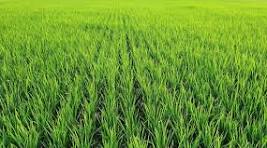
Training on Rice Farming and Processing Techniques in Nigeria
Rice has become one of the most important staple foods in Nigeria, consumed daily across households, restaurants, hotels, and food outlets. It is a crop with significant cultural and economic value, and its demand keeps growing year after year. Despite being the largest rice producer in Africa, Nigeria still imports a substantial volume of rice to meet local consumption needs.
This imbalance between local production and demand highlights the untapped opportunities within the rice value chain. One of the most effective ways to bridge this gap is through training on rice farming and processing techniques in Nigeria.
Importance of Rice in Nigeria
Rice is not just a food crop; it is a driver of food security, employment, and economic growth. Nigeria consumes over 7 million metric tons of rice annually, yet local production struggles to keep up. The government has introduced several policies to boost rice cultivation, including the Anchor Borrowers’ Program, import restrictions, and incentives for local farmers and millers. However, the success of these initiatives depends largely on the knowledge and skills of those engaged in rice farming and processing.
With the right rice farming training in Nigeria, farmers can adopt modern techniques that improve yields, reduce post-harvest losses, and ensure high-quality grains that meet both local and export standards. Similarly, training on rice processing equips entrepreneurs with the skills to establish and manage rice mills that add value to harvested paddy rice.
Why Training on Rice Farming and Processing is Needed
Traditional rice farming practices in Nigeria often result in low yields, poor grain quality, and high post-harvest losses. Many farmers still rely on outdated methods, while processors face challenges with milling efficiency, poor storage facilities, and lack of market access. These challenges limit profitability and discourage new entrants into the rice value chain.
Training programs on rice farming and processing techniques in Nigeria provide practical solutions by equipping participants with updated knowledge, hands-on experience, and access to technologies that enhance productivity. From land preparation and planting to harvesting, milling, and packaging, training ensures that participants are equipped to thrive in the rice business.
Key Focus Areas of Rice Farming and Processing Training
A well-structured training program on rice farming and processing covers every stage of the value chain, ensuring that participants understand both the technical and business aspects of rice production.
One of the first areas of focus is good agricultural practices for rice cultivation. Farmers are taught about soil preparation, water management, improved seed varieties, pest and disease control, and fertilizer application. These practices significantly increase yields and improve grain quality.
The training also addresses harvesting techniques. Timely and proper harvesting prevents grain losses and maintains rice quality. Participants learn about manual and mechanized harvesting methods that save time and reduce waste.
Another critical area is post-harvest handling and storage. Many Nigerian farmers lose a large portion of their harvest due to poor drying, storage, and transportation. Training introduces modern drying methods, hermetic storage systems, and improved packaging to minimize losses.
The core of the training lies in rice processing techniques. This includes exposure to small-scale and industrial milling technologies. Participants learn how to operate rice milling machines, polishers, and graders to produce high-quality, stone-free rice that meets consumer preferences.
In addition to technical knowledge, training emphasizes quality standards and compliance. Participants are guided on meeting standards set by agencies such as the Standards Organization of Nigeria (SON) and the National Agency for Food and Drug Administration and Control (NAFDAC). Compliance not only improves consumer trust but also opens up opportunities for exports.
The business dimension is also critical. Training includes entrepreneurship and agribusiness management. Participants learn how to develop business plans, secure financing, identify market opportunities, and build sustainable rice enterprises. This ensures that rice farming and processing go beyond subsistence into profitable ventures.
Finally, training emphasizes market linkages and value chain development. Connecting farmers to millers, millers to distributors, and distributors to retailers ensures a seamless value chain where everyone benefits.
Benefits of Rice Farming and Processing Training
The benefits of rice farming and processing training in Nigeria are wide-ranging. For farmers, the training helps increase yields through improved agronomic practices, leading to higher incomes. For processors, it ensures the production of high-quality, marketable rice that competes with imported brands.
Another major benefit is the reduction of post-harvest losses. With better harvesting, drying, and storage techniques, farmers can preserve more of their harvest, ensuring consistent supply for processors and consumers.
Rice farming and processing training also opens up employment opportunities. As more farmers and processors adopt modern practices, they create jobs in farming, milling, packaging, distribution, and retail. This contributes to reducing unemployment and poverty levels.
Furthermore, training enhances food security. By increasing local rice production and processing capacity, Nigeria reduces its dependence on imports and strengthens its position as a leading rice producer in Africa.
Participants in such training also gain exposure to government policies, financial opportunities, and partnerships that support the rice sector. This knowledge helps them take advantage of funding programs, subsidies, and cooperative networks.
Challenges in Rice Farming and Processing in Nigeria
While the opportunities are enormous, the rice sector in Nigeria faces several challenges. These include inadequate irrigation systems, limited access to improved seed varieties, poor mechanization, and weak infrastructure such as roads and power supply.
Processing also faces hurdles, including the high cost of milling equipment, limited access to finance, and competition from smuggled rice. Additionally, farmers and millers often lack the business knowledge to scale their operations.
This is where capacity building through training becomes essential. By equipping stakeholders with the right knowledge and tools, these challenges can be addressed more effectively.
Opportunities for Entrepreneurs in Rice Processing
Rice processing is one of the most profitable aspects of the rice value chain. With growing demand for clean, stone-free, well-packaged rice, there are immense opportunities for entrepreneurs to invest in rice mills. Training exposes them to different milling technologies, cost implications, and profitability models.
Additionally, opportunities exist in packaging and branding Nigerian rice for both domestic and international markets. With increasing consumer preference for locally-produced goods, well-branded Nigerian rice can capture significant market share.
Entrepreneurs can also explore rice by-products such as rice bran for animal feed and rice husk for energy production. Training ensures that participants understand how to diversify their income streams within the rice value chain.
Government and Institutional Support
The Nigerian government, through the Central Bank of Nigeria (CBN), Federal Ministry of Agriculture, and other agencies, has been supporting rice production through financing schemes, subsidies, and partnerships with millers. Development institutions such as the International Rice Research Institute (IRRI) and AfricaRice have also been instrumental in providing improved seed varieties and modern farming techniques.
Training programs complement these initiatives by ensuring that farmers and entrepreneurs have the knowledge to maximize the benefits of such interventions.
Rice remains one of Nigeria’s most strategic food crops, offering enormous potential for food security, wealth creation, and industrial development. However, unlocking these opportunities requires more than just policy support; it requires skilled individuals who understand the entire value chain.
Training on rice farming and processing techniques in Nigeria provides the foundation for transforming rice production into a sustainable and profitable venture. From good agricultural practices to processing technologies, quality standards, and business development, training equips farmers, processors, and entrepreneurs with the skills to succeed.
By embracing training, Nigeria can reduce its reliance on rice imports, empower local farmers and processors, create jobs, and strengthen its economy.
For those interested in rice farming, processing, and agribusiness, there are platforms that make access to training easier. Users can access rice and other agricultural trainings on Learnora.ng, while trainers and training companies can list their programs on Learnora.ng for free to reach a wider audience.