
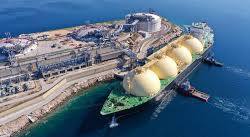
Understanding LNG Terminals and Terminal Operations
Liquefied Natural Gas (LNG) has become one of the fastest-growing energy sources in the world, driven by global demand for cleaner and more sustainable fuels. As countries transition from coal and oil toward lower-carbon alternatives, LNG provides an efficient bridge in the energy mix. For LNG to move from production fields to end-users, sophisticated facilities known as LNG terminals are required.
These terminals serve as critical infrastructure for importing, exporting, storing, and regasifying LNG to meet industrial, commercial, and domestic energy needs.
In Nigeria and across Africa, LNG terminals are playing a growing role in energy development and supply security. Understanding how LNG terminals are designed, constructed, and operated is essential for professionals working in the oil and gas sector, maritime industry, and energy logistics. On Leanora.ng, specialized training programs on LNG terminals and terminal operations are available, equipping professionals with the skills and technical knowledge to excel in this strategic industry segment.
What Are LNG Terminals?
An LNG terminal is a specialized facility designed to handle liquefied natural gas, which is natural gas cooled to –162°C (-260°F) to transform it into a liquid state. This cooling process reduces its volume by more than 600 times, making it easier and more economical to transport over long distances, especially where pipelines are not feasible.
There are two main types of LNG terminals: export (liquefaction) terminals and import (regasification) terminals. Export terminals cool natural gas into liquid form for shipping, while import terminals receive LNG shipments, store them in cryogenic tanks, and regasify them for distribution into local pipelines and markets. Some terminals are bi-directional, designed to both liquefy and regasify LNG depending on market demands.
Key Components of LNG Terminals
LNG terminals are highly sophisticated, combining advanced engineering, safety systems, and logistics management. Major components include storage tanks, marine berths, LNG pipelines, transfer pumps, vaporizers, compressors, and flare systems. The heart of any LNG terminal is the storage system, which consists of massive cryogenic tanks designed to hold LNG at extremely low temperatures while preventing heat leakage.
Another critical element is the regasification system, which uses vaporizers to convert LNG back into its gaseous state. Open rack vaporizers, submerged combustion vaporizers, and intermediate fluid vaporizers are commonly used depending on terminal location and operational requirements. The marine terminal is also vital, providing berths where LNG carriers can dock, offload, or load LNG using specially designed loading arms.
LNG Terminal Operations
Terminal operations are highly complex and require strict adherence to international standards. Import terminal operations usually begin with the arrival of an LNG carrier. The vessel is moored at the berth, and cryogenic arms are connected to transfer LNG into onshore storage tanks. Throughout this process, temperature, pressure, and flow rates are closely monitored to ensure safety.
Once LNG is in storage, terminal operators may regasify it immediately to meet demand or hold it until distribution is needed. The regasification process involves heating LNG to restore it to its natural gaseous form. This gas is then compressed and fed into the national pipeline system or delivered to end-users. Export terminal operations involve the reverse process, where natural gas is cooled, liquefied, stored, and loaded onto LNG carriers for shipment.
Operational efficiency, reliability, and safety are the core focus of LNG terminal management. With LNG being highly flammable, strict safety protocols are observed at every stage, from ship-to-shore transfer to storage and regasification. Emergency systems, fire suppression, and gas detection equipment are integrated to minimize risks.
Importance of LNG Terminals in Energy Supply
LNG terminals are essential for global energy security. They enable countries without sufficient domestic natural gas reserves to import LNG and diversify their energy sources. For gas-producing countries like Nigeria, LNG export terminals generate revenue by allowing producers to access international markets.
Nigeria LNG (NLNG), located on Bonny Island in Rivers State, is one of Africa’s most significant LNG export facilities, supplying LNG to global markets and contributing billions of dollars to the Nigerian economy. With the increasing demand for natural gas in power generation, industries, and households, LNG terminals are expected to play an even greater role in the country’s future energy landscape.
Training in LNG Terminal Operations
The complexity of LNG terminal operations demands highly skilled professionals. Training in LNG terminal operations provides participants with in-depth knowledge of the technical, safety, and regulatory aspects of LNG handling. On Leanora.ng, these trainings are designed to cover every stage of LNG terminal activities, from design and construction to day-to-day operations and emergency management.
Training modules typically cover LNG properties and behavior, cryogenic systems, storage tank design, ship-to-shore transfer operations, regasification technologies, safety management systems, emergency response planning, and environmental protection measures. Participants also learn about international codes and standards, such as those from the International Maritime Organization (IMO), the American Petroleum Institute (API), and the International Gas Union (IGU).
Hands-on exercises, case studies, and simulations are often part of LNG training programs, allowing learners to apply theoretical knowledge in realistic scenarios. This practical approach prepares them for real-world challenges in LNG terminal operations.
Benefits of LNG Terminal Training
For individuals, professional training in LNG terminal operations enhances career opportunities in one of the most critical areas of the energy industry. Certified professionals are in high demand by LNG producers, terminal operators, shipping companies, and regulatory agencies. Training provides them with specialized technical skills that make them competitive both locally and internationally.
For organizations, having trained personnel ensures operational efficiency, regulatory compliance, and reduced risks of accidents or downtime. Skilled professionals contribute to optimizing terminal performance, managing risks, and protecting both workers and the environment. In an industry where safety and reliability are non-negotiable, investing in training is essential.
LNG Terminal Operations in Nigeria
Nigeria has emerged as one of the largest LNG exporters in the world, with facilities such as the NLNG Bonny Terminal driving exports to Europe, Asia, and beyond. Plans for new LNG projects, including the Brass LNG and Olokola LNG projects, demonstrate the country’s ambition to expand its LNG infrastructure. Import terminals are also being considered to supply domestic demand and support power generation.
Given these developments, the need for skilled professionals in LNG terminal operations will continue to grow. From engineers and operators to safety officers and logistics managers, there is a rising demand for expertise in LNG handling, making specialized training highly valuable.
Why Choose Leanora.ng for LNG Training?
Leanora.ng is Nigeria’s trusted platform for professional and technical training programs. By offering LNG terminal and operations training, the platform connects learners with expert instructors and accredited institutions. Learners can access flexible training options, including online modules, classroom sessions, and blended programs. Certificates issued upon completion add significant value to professional profiles, boosting employability in the energy sector.
For trainers, Leanora.ng provides a platform to showcase expertise and reach a nationwide audience. Trainers can list their LNG training programs for free, giving them visibility among companies and professionals actively seeking specialized knowledge in LNG terminal operations.
Future of LNG Terminals and Training
As global energy markets evolve, LNG demand is expected to grow significantly. Emerging technologies such as floating LNG terminals (FLNG), digital monitoring systems, and advanced cryogenic materials are transforming terminal design and operations. Training programs are also adapting, integrating modules on digitalization, automation, and sustainability in LNG operations.
The future will require continuous upskilling, making platforms like Leanora.ng invaluable for professionals seeking to stay ahead in their careers. With Nigeria’s strategic position as a leading LNG exporter, knowledge of terminal operations will remain essential for engineers, operators, and decision-makers in the energy sector.
LNG terminals are vital infrastructure in the global energy value chain, enabling the safe and efficient movement of liquefied natural gas across continents. Understanding terminal design, components, and operations is critical for professionals in the oil and gas, maritime, and logistics industries. Training in LNG terminal operations equips individuals with the technical, safety, and regulatory expertise needed to thrive in this dynamic field.
Through Leanora.ng, learners can access high-quality LNG training programs delivered by experienced trainers, while organizations can build the capacity of their workforce. Trainers, on the other hand, can list their LNG training programs for free and connect with a wider professional audience.
Access LNG terminal and operations training today on Leanora.ng, and if you are a trainer, list your programs for free to reach learners across Nigeria.