Hairdressing and Barbing Skills Training in Nigeria
The Nigerian beauty and grooming industry has grown into one of the most dynamic and profitable sectors in the economy. With an ever-expanding population, rising urbanization, and a youthful demographic that places a high value on appearance and personal style, the demand for professional hairdressing and barbing services has skyrocketed.
Across cities like Lagos, Abuja, Port Harcourt, and Enugu, as well as in rural towns and communities, hair salons and barbing shops remain a central part of everyday life. This consistent demand has made hairdressing and barbing skills training in Nigeria a critical pathway for entrepreneurship, job creation, and empowerment.
Hairdressing and barbing are not just about grooming; they are about culture, identity, and self-expression. Hairstyles carry symbolic meanings in Nigerian society, ranging from cultural traditions and social affiliations to modern fashion trends. As a result, professionals in the sector have a unique opportunity to shape trends, cater to diverse clientele, and build profitable careers. For individuals seeking self-employment, vocational skills, or creative expression, enrolling in hairdressing and barbing skills training provides the foundation for success.
The Significance of Hairdressing and Barbing in Nigeria
Nigeria’s grooming culture is deeply ingrained in its people. For women, hairdressing goes far beyond aesthetics; it is an integral part of social and cultural identity. Services like braiding, weaving, wig-making, hair coloring, and natural hair care have become standard. Men, on the other hand, often associate grooming with barbing, beard trimming, and modern haircut designs. Both services are indispensable, as virtually every Nigerian patronizes a hairdresser or barber regularly.
This consistency of demand makes hairdressing and barbing some of the most reliable vocational skills to acquire. A trained professional is rarely out of work, as there is always a steady flow of clients. In fact, many barbing salons and hairdressing shops record daily patronage, generating income that sustains individuals, families, and communities.
What Hairdressing and Barbing Training in Nigeria Entails
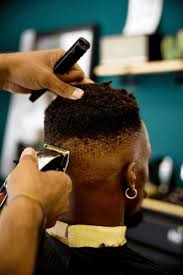
Professional training in this sector goes beyond learning how to cut or style hair. Structured programs are designed to provide hands-on experience, technical knowledge, and entrepreneurial skills. In hairdressing, participants are taught braiding techniques, weaving, fixing, dyeing, wig construction, hair treatment, and product application. For barbers, training includes the use of clippers and scissors, creating trendy styles, beard care, sanitation, sterilization, and scalp treatment.
Equally important are lessons on hygiene, customer service, and health practices. In an era where clients demand high standards of cleanliness and professionalism, training ensures practitioners adhere to global best practices. For instance, sterilizing clippers after each use, maintaining neat workspaces, and understanding skin and scalp health are critical to client safety and satisfaction.
Many training programs also cover entrepreneurship, marketing, and business management. Trainees learn how to price services competitively, manage expenses, and build strong customer relationships. In addition, digital marketing modules are often introduced, helping graduates understand how to use social media platforms like Instagram, TikTok, and Facebook to showcase their work, attract clients, and build strong brands.
Career and Business Opportunities in Hairdressing and Barbing
One of the greatest benefits of hairdressing and barbing skills training in Nigeria is the wide range of career and business opportunities available upon completion. Graduates can work in established salons, hotels, spas, and grooming lounges, or set up their own shops. The beauty of this field is its low entry barrier; with basic tools such as clippers, combs, hairdryers, and a rented space, a barber or hairdresser can start serving clients.
The opportunities are not limited to traditional shop settings. Mobile hairdressing and home-service barbing are increasingly popular, especially in urban centers where busy professionals and celebrities prefer personalized services. Wig-making, which has become a booming industry in Nigeria, also offers lucrative income opportunities for hairdressers. Similarly, barbers who specialize in trendy styles and beard grooming have carved out niche markets that attract premium clients.
Another lucrative avenue is product sales. Many hairdressers and barbers diversify their income by selling hair extensions, clippers, shampoos, creams, and other beauty products. With proper training, graduates can position themselves as both service providers and product retailers, thereby maximizing their earnings.
The Relevance of Training in Today’s Market
The Nigerian grooming industry is evolving, influenced by global trends and increasing customer sophistication. Clients no longer want the basic “haircut” or “regular braids.” They demand creativity, precision, and international-level professionalism. Training bridges this gap by equipping professionals with modern skills that meet and exceed client expectations.
Moreover, Nigeria’s high unemployment rate makes vocational skills like hairdressing and barbing critical to economic empowerment. Instead of waiting for scarce white-collar jobs, individuals who undergo training can establish businesses that not only sustain them but also employ others. A well-managed salon or barbing shop can grow into a chain, creating jobs and contributing to local economies.
Challenges in the Industry and How Training Provides Solutions
Like many industries in Nigeria, hairdressing and barbing face challenges such as irregular electricity supply, high costs of equipment, and stiff competition. However, training equips individuals to adapt and innovate. For example, trainees are taught how to manage costs effectively, use generators or solar alternatives, and leverage customer loyalty programs to stay competitive.
Professional training also sets practitioners apart from informal operators. Many customers are now cautious about hygiene, preferring trained professionals who sterilize equipment, use quality products, and maintain high service standards. By emphasizing professionalism and branding, training ensures that graduates can thrive despite market challenges.
Empowerment Through Hairdressing and Barbing
Hairdressing and barbing are more than just economic opportunities; they are powerful tools for empowerment. Thousands of young Nigerians, especially women, have transformed their lives through these skills. For women, hairdressing offers independence, flexibility, and the ability to balance family responsibilities with income generation. For men, barbing provides an entry point into entrepreneurship with relatively low startup costs.
Government agencies, NGOs, and private organizations have recognized this and frequently sponsor hairdressing and barbing training as part of youth empowerment programs. By equipping individuals with vocational skills, such initiatives reduce poverty, curb unemployment, and promote social stability.
The Future of Hairdressing and Barbing Training in Nigeria
The future of the Nigerian grooming industry is promising. With an expanding middle class, increased exposure to global beauty trends, and the rise of luxury grooming, demand will continue to rise. Natural hair movements, beard grooming, and creative hair artistry are shaping the market, offering endless possibilities for trained professionals.
Technology will also play a bigger role, with digital booking platforms, online tutorials, and virtual consultations becoming part of the industry. Social media will remain a powerful marketing tool, helping professionals build global brands from Nigeria. Those who combine technical expertise with digital savvy and strong customer service will dominate the industry.
Hairdressing and barbing skills training in Nigeria is more than just a vocational pursuit; it is a gateway to economic empowerment, entrepreneurship, and creativity.
The training provides individuals with the technical expertise, business knowledge, and professionalism needed to succeed in a vibrant and competitive industry. With opportunities ranging from salons and barbing shops to wig-making, mobile services, and product sales, the grooming sector remains one of the most rewarding in Nigeria.
As demand continues to grow, those who invest in professional training will be better positioned to meet client expectations, build sustainable businesses, and even expand into international opportunities. For young people, aspiring entrepreneurs, and anyone seeking financial independence, hairdressing and barbing skills training is an investment that delivers long-term returns.