
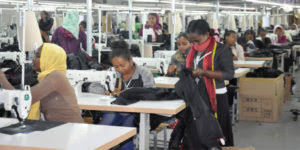
Tailoring and Garment Production for Entrepreneurs Training in Nigeria
Nigeria is a country where fashion is not just clothing but a lifestyle, culture, and means of expression. From traditional attire like agbada, ankara, and lace outfits to corporate suits, casual wear, and couture fashion, the demand for high-quality garments continues to grow. This ever-expanding demand creates a wealth of opportunities for skilled tailors, garment makers, and fashion entrepreneurs.
Today, Tailoring and Garment Production Training in Nigeria is more relevant than ever, empowering aspiring entrepreneurs to acquire technical expertise, creative skills, and business knowledge to thrive in one of the most vibrant industries in Africa.
In this article, we explore the importance of tailoring training in Nigeria, what the training covers, the entrepreneurial opportunities it creates, challenges facing the sector, and why it is the perfect pathway for young Nigerians who want to build successful careers in the garment and fashion industry.
The Importance of Tailoring and Garment Production in Nigeria
The Nigerian fashion industry is booming, contributing significantly to the country’s economy. Studies have shown that the fashion sector in Sub-Saharan Africa is worth billions of dollars, with Nigeria playing a leading role. Nigerians spend heavily on clothes for weddings, cultural celebrations, parties, and everyday use. Unlike some industries that experience seasonal demand, the need for garments in Nigeria is constant.
However, while the demand is high, there is a shortage of well-trained professionals who can deliver quality clothing at competitive prices. Imported clothes dominate Nigerian markets, yet many consumers prefer customized, homegrown styles that reflect local culture. This creates a gap that tailoring and garment production entrepreneurs can fill—provided they have undergone proper training.
By enrolling in Tailoring and Garment Production Training in Nigeria, individuals not only learn technical sewing and design skills but also understand the business side of fashion. This combination of creativity and entrepreneurship is what drives long-term success in the garment industry.
What Tailoring and Garment Production Training Covers
A comprehensive tailoring training program in Nigeria is designed to turn raw passion into practical skills and business success. It covers:
1. Basic Tailoring Skills
Trainees learn how to take accurate body measurements, draft simple patterns, cut fabrics, sew garments, and apply finishing techniques. This stage lays the foundation for anyone new to tailoring.
2. Advanced Garment Production
Participants advance to industrial tailoring techniques, including the use of specialized sewing machines, fabric cutting tools, garment finishing equipment, and production line methods for bulk garment manufacturing.
3. Fashion Design and Creativity
Beyond stitching, the training covers fashion design principles such as color matching, fabric selection, sketching, and styling. This helps trainees create garments that are not only functional but also fashionable and marketable.
4. Business and Entrepreneurship Development
Since the goal is to groom entrepreneurs, participants are trained in customer service, pricing strategies, branding, financial management, and marketing. This ensures they can operate profitable tailoring shops or garment factories.
5. Digital Fashion Marketing
Modern tailoring businesses thrive on digital platforms. Training often includes how to use Instagram, Facebook, TikTok, and e-commerce sites to promote products, attract customers, and grow a brand.
At the end of the program, participants are well-prepared to either start their own tailoring businesses, expand into garment factories, or launch fashion brands.
Opportunities for Entrepreneurs in Tailoring and Garment Production
Entrepreneurs in Nigeria’s garment sector enjoy a wide range of opportunities:
Bespoke Tailoring Services: Offering made-to-measure clothing for individuals seeking unique styles.
Uniform Production: Supplying uniforms for schools, hotels, hospitals, and corporate organizations.
Garment Factories: Producing clothes in bulk for retailers and wholesalers.
Fashion Brands: Creating personal fashion labels with the potential for international recognition.
Alteration Services: Providing clothing repair and adjustment, which remain in high demand.
Each of these opportunities requires training, creativity, and business acumen, making professional programs essential for success.
Why Tailoring and Garment Production Training is Essential in Nigeria
Unlike informal apprenticeships where learners rely solely on trial-and-error, structured tailoring training provides comprehensive knowledge and up-to-date techniques. Professional training ensures that participants can:
Compete with imported garments by producing high-quality, affordable clothing.
Meet international fashion standards for possible export opportunities.
Gain credibility in the eyes of customers who prefer trained professionals.
Learn the entrepreneurial mindset needed to sustain a profitable business.
This makes tailoring and garment production training not just a skill-building exercise, but a gateway to financial independence.
Tailoring Training as a Solution to Unemployment
One of Nigeria’s biggest challenges is unemployment, especially among youths and women. Tailoring and garment production training is a powerful solution because it empowers individuals to become job creators. A single tailoring entrepreneur can employ fabric cutters, sewing machine operators, marketers, and apprentices. This ripple effect creates jobs and stimulates the economy.
Moreover, many graduates who are unable to secure white-collar jobs are turning to tailoring as a viable career option. With professional training, they are able to carve a niche for themselves in a competitive market.
Challenges Facing Tailoring and Garment Production in Nigeria
While the industry has massive potential, there are challenges:
Limited Access to Equipment: Industrial machines and modern tools are expensive.
Irregular Power Supply: Production efficiency is often disrupted by poor electricity.
Competition from Imported Clothing: Cheap imports flood the market, affecting local demand.
Limited Access to Finance: Many entrepreneurs struggle to get loans or funding to expand their businesses.
Despite these challenges, professional training programs equip participants with the knowledge to overcome obstacles, adopt innovative solutions, and scale their businesses.
Tailoring Training and Women Empowerment
Tailoring and garment production training in Nigeria plays a crucial role in empowering women. Women make up a large portion of Nigeria’s informal economy, and tailoring allows them to balance work with family responsibilities while earning income. Many women who undergo training end up starting small tailoring businesses from their homes before expanding into shops or garment factories.
This empowerment not only reduces poverty but also contributes to gender equality by giving women financial independence and a platform to thrive.
The Future of Tailoring and Garment Production in Nigeria
The future of the garment industry in Nigeria is promising. With the rise of e-commerce, sustainable fashion, and global appreciation for African prints, Nigerian fashion entrepreneurs have opportunities to showcase their work worldwide. Events like Lagos Fashion Week and African Fashion Week provide platforms for showcasing creativity and building international partnerships.
As more Nigerians invest in tailoring and garment production training, the country is likely to reduce dependence on imported clothes, strengthen its local textile sector, and create export opportunities. For entrepreneurs, the future holds possibilities of building fashion brands that compete globally.
Tailoring and Garment Production Training in Nigeria is more than just learning how to sew; it is a pathway to entrepreneurship, self-reliance, and economic empowerment. By combining technical skills with business training, aspiring fashion entrepreneurs are equipped to establish thriving tailoring shops, garment factories, or fashion labels.
In a country where clothing is both a cultural identity and an everyday necessity, tailoring training provides endless opportunities. Whether you are a young graduate seeking a career, a woman looking for financial independence, or an entrepreneur aiming to build a brand, tailoring and garment production training opens the door to success.
Other valuable trainings in diverse industries can be accessed on learnora.ng. Trainers can also list their training programs for free on Learnora, making it the go-to platform for both learners and instructors in Nigeria.