Advanced Pneumatics and Electro-Pneumatics: System Optimization and Troubleshooting
In modern industries, the role of automation and fluid power systems has become indispensable. Pneumatic and electro-pneumatic systems are at the heart of many industrial processes, from packaging and assembly lines to robotics and material handling. These systems provide reliable, safe, and cost-effective solutions for motion and control.
However, as industries evolve, there is a growing need for professionals to move beyond the basics and master advanced pneumatics and electro-pneumatics, particularly in the areas of system optimization and troubleshooting.
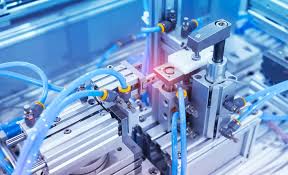
Pneumatics is the science of using compressed air to generate mechanical motion and perform work. Electro-pneumatics extends this by integrating electrical controls with pneumatic actuators and valves, allowing for higher precision, automation, and flexibility.
These systems are widely applied in industries such as manufacturing, food and beverage, automotive, pharmaceuticals, and logistics. For instance, in an automated bottling plant, pneumatic actuators handle repetitive tasks with speed and accuracy, while electro-pneumatic controls coordinate the sequencing of operations for efficiency.
Without proper optimization and troubleshooting, however, even well-designed systems can suffer from inefficiency, air leaks, pressure losses, and operational downtime.
Optimization of pneumatic and electro-pneumatic systems involves improving their performance, energy efficiency, and reliability. One key area is reducing air consumption, as compressed air is often one of the most expensive utilities in industrial plants. Engineers can optimize systems by selecting the right components, ensuring proper sizing of actuators and valves, and using advanced control strategies.
Another aspect of optimization is system integration. With modern Industry 4.0 technologies, pneumatic systems can be monitored and controlled using smart sensors and programmable logic controllers (PLCs). This integration allows real-time data collection, predictive maintenance, and improved decision-making.
Proper system design, combined with routine maintenance and monitoring, ensures that pneumatics and electro-pneumatics deliver maximum performance while minimizing energy costs and downtime.
Even with optimal design, issues can arise in pneumatic and electro-pneumatic systems. Troubleshooting is the process of identifying and resolving these problems quickly to minimize operational disruptions. Common challenges include air leaks, faulty solenoid valves, misaligned actuators, improper pressure regulation, and electrical control failures.
Engineers and technicians must be able to use diagnostic tools such as pressure gauges, flow meters, and multimeters to pinpoint faults. Understanding system schematics and control logic is also crucial in tracing errors within interconnected pneumatic and electrical circuits.
Effective troubleshooting not only restores operations but also prevents recurring problems by addressing root causes. For instance, consistent pressure drops might indicate undersized pipelines or excessive bends in the system, which can be corrected through redesign.
Advanced training in pneumatics and electro-pneumatics equips professionals with both theoretical knowledge and practical skills. Participants learn about system design, optimization techniques, and advanced troubleshooting methods. They also gain hands-on experience with simulation software and actual industrial components, making them better prepared for real-world challenges.
In Nigeria, as industries expand and adopt higher levels of automation, there is a growing demand for skilled engineers and technologists in fluid power systems. Professionals with expertise in this area are highly sought after in sectors like manufacturing, oil and gas, energy, and construction.
Organizations that invest in professionals trained in advanced pneumatics and electro-pneumatics benefit from improved system efficiency, reduced energy costs, and enhanced productivity. Equipment reliability increases, downtime decreases, and safety standards are better maintained. For individuals, mastering these skills creates new career opportunities and positions them as key players in the modernization of Nigeria’s industrial landscape.
At learnora.ng, we understand the importance of equipping Nigerian engineers and technologists with practical, industry-relevant skills. Our training on Advanced Pneumatics and Electro-Pneumatics: System Optimization and Troubleshooting is designed to provide participants with the expertise to design, optimize, and maintain high-performance systems.
Trainers and training providers in this field can also list their programs on our platform, making Learnora a central hub for technical education and professional growth across Nigeria.
Pneumatics and electro-pneumatics remain critical components of modern industrial systems, enabling automation, efficiency, and reliability. By focusing on system optimization and troubleshooting, professionals can ensure these systems operate at peak performance, reducing costs and boosting productivity.
For engineers and technologists in Nigeria, mastering advanced pneumatics and electro-pneumatics is more than just a technical requirement—it is a pathway to career advancement and a stronger contribution to industrial development. With platforms like learnora.ng, accessing this knowledge and training has never been easier.