
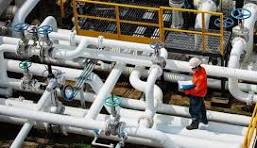
API 570: Piping Inspection Code (API Exam Preparation Training): Inspection, Repair, Alteration and Rerating of In-Service Piping Systems
Piping systems are critical components of industrial plants, particularly in the oil and gas, petrochemical, and power generation sectors. Proper inspection, repair, alteration, and rerating of in-service piping systems are essential to ensure operational safety, reliability, and compliance with regulatory standards.
The API 570: Piping Inspection Code provides the framework for professionals responsible for maintaining and assessing the integrity of piping systems, offering internationally recognized guidelines for safe and effective operation.
The API 570: Piping Inspection Code Exam Preparation Training in Nigeria equips participants with the knowledge and practical skills required to inspect, repair, alter, and rerate in-service piping systems. Delivered through Leanora.ng, the course prepares professionals to pass the API 570 certification exam and excel in industrial roles where piping integrity is critical.
Importance of Piping Inspection and API 570 Certification
In-service piping systems are subject to wear and tear, corrosion, erosion, mechanical damage, and operational stress. Failures in piping systems can lead to leaks, environmental hazards, fire, explosions, and costly downtime. Ensuring proper inspection and maintenance is therefore paramount.
The API 570 certification is recognized globally as a standard for piping inspection and integrity management. Certified professionals demonstrate competence in assessing the condition of piping systems, recommending repairs, evaluating alterations, and rerating pipes to ensure safe operation.
In Nigeria, the oil and gas, petrochemical, and industrial sectors rely heavily on skilled personnel trained in piping inspection standards. API 570-certified professionals are highly sought after, often commanding competitive salaries due to the specialized expertise required to manage in-service piping systems safely.
Who Should Attend the Training
The API 570 course is designed for a range of professionals involved in industrial piping management, including:
Piping engineers and designers
Mechanical and process engineers
Inspection engineers and plant inspectors
Maintenance supervisors and reliability engineers
Corrosion and materials engineers
Plant managers and operators responsible for piping systems
The training is also valuable for professionals preparing to sit for the API 570 certification exam, as it provides comprehensive coverage of code requirements, industry best practices, and practical application.
What the Course Covers
The API 570 training program provides participants with a thorough understanding of in-service piping systems and the application of the API 570 Code. Key topics include:
Piping Inspection Fundamentals – Participants learn the principles of piping system inspection, including risk assessment, inspection planning, and evaluation of corrosion mechanisms. Understanding piping materials, design parameters, and operating conditions is essential for accurate assessment.
Repair, Alteration, and Rerating Procedures – The course covers methodologies for performing repairs, modifications, and rerating of piping systems in accordance with API 570 standards. Participants gain skills in evaluating repair options, selecting materials, and ensuring compliance with operational requirements.
Piping Corrosion and Damage Mechanisms – Learners are trained to identify common corrosion types, erosion, mechanical damage, and environmental factors that impact piping integrity. Methods to detect and mitigate damage are discussed.
Inspection Techniques and Tools – The course emphasizes inspection methods such as visual examination, non-destructive testing (NDT), ultrasonic thickness measurements, radiography, and other advanced techniques. Participants learn how to select and apply the appropriate method based on system requirements.
Documentation and Recordkeeping – Proper documentation of inspection findings, repairs, and rerating calculations is a critical aspect of compliance. Participants learn to maintain accurate records in line with API 570 standards, which is essential for auditing and regulatory purposes.
Risk-Based Inspection (RBI) Concepts – The course introduces participants to risk-based inspection strategies, prioritizing resources based on piping condition, service, and criticality. This approach optimizes inspection schedules and enhances safety.
Exam Preparation – The training includes guidance on API 570 certification exam structure, question types, and study techniques. Mock exams and practice questions help participants familiarize themselves with the format and improve exam readiness.
Practical exercises, real-life case studies, and interactive sessions are integrated throughout the course to reinforce theoretical knowledge with hands-on experience.
Benefits of the Course
For individuals, the course provides in-depth knowledge of piping inspection, repair, alteration, and rerating, enhancing technical competence and professional credibility. API 570 certification opens doors to high-paying roles in the oil and gas, petrochemical, and industrial sectors. Certified professionals gain recognition for their ability to manage piping integrity safely and efficiently.
For organizations, having staff trained in API 570 standards ensures compliance with international regulations, reduces the risk of failures, improves operational reliability, and enhances safety culture. Skilled personnel can implement proactive maintenance strategies, minimize unplanned downtime, and contribute to long-term asset integrity management.
Relevance to Nigeria’s Industrial Sector
Nigeria’s industrial and energy sectors rely heavily on piping systems to transport oil, gas, steam, and other fluids safely and efficiently. In-service piping requires regular inspection and maintenance to prevent leaks, corrosion, and failures that can disrupt operations or cause environmental hazards.
With projects in onshore and offshore oil fields, refineries, petrochemical plants, and gas processing facilities, the need for certified piping inspectors is substantial. Professionals trained in API 570 standards ensure that piping systems operate within design limits, remain compliant with regulatory requirements, and contribute to overall plant safety and efficiency.
Who Benefits from the Training?
Professionals directly involved in piping system management gain the most from API 570 training. Inspectors, engineers, maintenance personnel, and plant managers enhance their technical skills and decision-making ability. Reliability engineers and project managers benefit from understanding piping integrity principles, which improves planning, risk management, and project execution.
Young engineers and new graduates also gain a strong foundation in piping inspection, making them more competitive in the industrial and oil and gas job market.
Why Choose Leanora.ng for API 570 Training?
Leanora.ng provides access to high-quality, industry-recognized training programs in Nigeria. The platform connects learners with experienced trainers who deliver API 570 training aligned with international standards.
Flexible learning formats, including online, in-person, and blended courses, allow participants to acquire skills without disrupting their professional commitments. Certification from API 570 training enhances employability and positions learners for advancement in the industrial and oil and gas sectors.
For trainers, Leanora.ng offers a free platform to list API 570 courses, reaching a wide audience of professionals seeking certification and skill development. Trainers can showcase their expertise, expand their reach, and engage with learners nationwide.
Trends in Piping Inspection and Maintenance
Piping inspection and maintenance practices are evolving with technology and risk-based approaches. Key trends include:
Advanced Non-Destructive Testing (NDT) – Techniques such as ultrasonic testing, radiography, and corrosion mapping are increasingly used for accurate inspections.
Digital Inspection Records – Electronic documentation and cloud-based systems enhance recordkeeping, traceability, and compliance.
Risk-Based Inspection (RBI) – RBI strategies optimize inspection schedules, focusing resources on the most critical piping systems.
Integration with Asset Integrity Management (AIM) – Piping inspection data is increasingly integrated into broader asset integrity management programs to improve plant reliability and safety.
Sustainability and Environmental Compliance – Emphasis on preventing leaks and spills aligns with environmental protection standards and regulatory requirements.
Keeping abreast of these trends ensures professionals remain effective and capable of implementing modern, efficient, and compliant inspection practices.
The API 570: Piping Inspection Code (Exam Preparation Training) provides professionals with the skills and knowledge required to inspect, repair, alter, and rerate in-service piping systems. This training prepares participants for the API 570 certification exam, enhancing their credibility, career prospects, and technical competence.
For individuals, API 570 certification opens doors to high-paying roles in the oil and gas, petrochemical, and industrial sectors. For organizations, it ensures operational reliability, safety, and compliance with international standards.
Through Leanora.ng, learners can access this specialized API 570 training and other professional development courses, while trainers can list their programs for free to reach a wide audience of professionals across Nigeria seeking to enhance their skills and certifications.
Advance your career in piping inspection by enrolling in the API 570: Piping Inspection Code Exam Preparation Training on Leanora.ng, and if you are a trainer, showcase your courses for free to connect with professionals nationwide.