
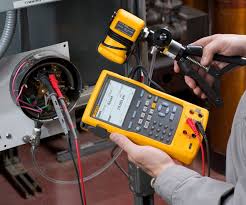
Calibration and Maintenance of Process Instruments
In industrial operations, accuracy and reliability are the foundation of efficiency and safety. Process instruments—such as pressure gauges, flow meters, temperature sensors, and analyzers—play a vital role in monitoring and controlling production systems. When these instruments are inaccurate, entire processes can be compromised, leading to wasted resources, safety hazards, and financial losses.
This is why calibration and maintenance of process instruments are critical to ensuring consistent performance, regulatory compliance, and long-term sustainability.
Calibration is the process of comparing the readings of an instrument to a known standard to determine its accuracy. Over time, instruments may drift from their original specifications due to wear, environmental conditions, or mechanical stress. Calibration helps detect these deviations and correct them so that measurements remain reliable.
For example, a flow meter used in an oil and gas facility must be calibrated against a standard to ensure accurate measurement of crude oil. Without proper calibration, errors in measurement could lead to losses worth millions of naira.
Calibration is not a one-time activity but an ongoing process, performed periodically based on the criticality of the instrument, industry standards, and manufacturer recommendations.
While calibration ensures accuracy, maintenance ensures functionality and longevity. Maintenance activities may include cleaning, lubrication, inspection, part replacement, and troubleshooting of faults. Proper maintenance reduces instrument downtime, prevents sudden failures, and extends equipment life.
In industries such as power generation, pharmaceuticals, chemical processing, and food production, where precision is crucial, maintenance practices are indispensable. Preventive and predictive maintenance strategies further enhance efficiency by identifying potential problems before they cause system disruptions.
Organizations that prioritize calibration and maintenance enjoy several advantages. Operational efficiency is improved because accurate instruments lead to optimized processes and reduced waste. Safety is enhanced by ensuring that critical systems operate within safe parameters. Compliance with regulatory requirements—such as ISO standards, SON guidelines in Nigeria, and global industry benchmarks—is also achieved through proper instrument care.
Financially, regular calibration and maintenance reduce costly downtime, minimize rework, and prevent losses from inaccurate measurements. The result is higher profitability and stronger competitiveness in both local and global markets.
Calibration and maintenance of process instruments cut across almost every industrial sector. In the oil and gas industry, flow meters, pressure sensors, and analyzers must be regularly maintained to ensure compliance with export standards. In pharmaceuticals, precise temperature and humidity control is vital for drug manufacturing, requiring frequent calibration of monitoring instruments. In power plants, instruments that regulate turbines and boilers need constant care to ensure uninterrupted electricity supply.
Agricultural processing plants, food and beverage industries, and water treatment facilities also rely heavily on accurate and well-maintained instruments. The implications are clear: no matter the industry, accurate data from well-maintained instruments drives performance and decision-making.
Professionals who undergo training in calibration and maintenance of process instruments acquire practical and career-enhancing skills. They learn how to apply international standards in calibration, use modern tools and techniques, and troubleshoot a wide range of instruments. They also gain knowledge in planning maintenance schedules, implementing safety protocols, and documenting compliance for audits.
These skills are not only technical but also strategic, enabling professionals to contribute to cost savings, quality assurance, and improved plant performance. With Nigeria’s industries moving toward higher standards of automation and global integration, such training has become essential for engineers, technologists, and maintenance supervisors.
At learnora.ng, we recognize the importance of technical skills in ensuring industrial growth and competitiveness. Our training on Calibration and Maintenance of Process Instruments equips professionals with hands-on expertise that directly applies to Nigeria’s diverse industries. We also provide opportunities for trainers and organizations to list their courses, making Learnora a hub for continuous professional development in engineering, technology, and vocational skills.
Calibration and maintenance of process instruments are more than routine activities—they are strategic practices that determine the accuracy, efficiency, and safety of industrial operations. By investing in these practices, organizations minimize risk, optimize performance, and ensure compliance with global standards. For professionals, acquiring skills in this area opens doors to rewarding careers in industries that depend on precision and reliability.
With platforms like learnora.ng, engineers and technologists can access the knowledge they need to stay ahead in today’s fast-changing industrial world, while trainers can share their expertise to shape the next generation of skilled professionals.