Electrical Distribution Equipment Operation and Maintenance Course in Nigeria
Efficient electrical distribution is the backbone of reliable power systems. Proper operation and maintenance of electrical distribution equipment are critical for ensuring continuous power supply, preventing system failures, and enhancing safety across industrial, commercial, and residential sectors.
In Nigeria, where the demand for electricity is growing rapidly and power systems face operational challenges, skilled professionals are needed to manage electrical distribution networks effectively.
The Electrical Distribution Equipment Operation and Maintenance Course in Nigeria offered via Leanora.ng equips engineers, technicians, and facility managers with practical knowledge and technical skills required to operate, maintain, and troubleshoot electrical distribution equipment.
The course emphasizes hands-on learning, best practices, and safety protocols essential for ensuring efficient power delivery and system reliability.
Importance of Electrical Distribution Equipment Training
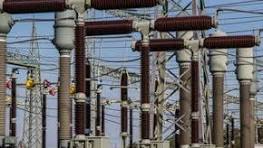
Electrical distribution systems involve transformers, switchgear, circuit breakers, relays, busbars, and protective devices. Malfunction or improper handling of these components can lead to power outages, equipment damage, operational downtime, and safety hazards.
In Nigeria, the frequent power fluctuations, aging infrastructure, and expanding industrial and urban developments create a high demand for professionals who can manage electrical distribution systems efficiently. Proper training in the operation and maintenance of distribution equipment ensures the continuity of power supply, minimizes technical losses, and enhances system reliability.
Well-trained professionals can identify potential risks, implement preventive maintenance, and respond effectively to faults, thereby reducing downtime and operational costs. This is particularly important for industries, hospitals, data centers, and manufacturing plants that rely heavily on uninterrupted power supply.
Who Should Attend the Course
This course is designed for a wide range of professionals involved in electrical systems and facility management, including:
Electrical engineers and technicians
Maintenance supervisors and electricians
Power system operators
Facility and plant managers
Graduate engineers seeking hands-on experience in electrical distribution
Professionals responsible for operational safety and compliance in electrical networks
The course is also suitable for early-career professionals who want to develop practical skills in electrical distribution management, troubleshooting, and preventive maintenance.
What the Course Covers
The Electrical Distribution Equipment Operation and Maintenance Course provides comprehensive training on essential aspects of electrical distribution, including:
Fundamentals of Electrical Distribution Systems – Participants review the components, functions, and configuration of electrical distribution networks. Topics include power flow, system voltage levels, load balancing, and protective device coordination.
Switchgear Operation and Maintenance – The course covers the selection, operation, inspection, and maintenance of switchgear, including circuit breakers, fuses, relays, and disconnectors. Participants learn to operate switchgear safely, perform routine inspections, and troubleshoot faults effectively.
Transformers in Distribution Networks – Participants explore transformer types, ratings, installation procedures, load handling, and preventive maintenance. Training includes transformer oil testing, insulation assessment, cooling systems, and fault diagnosis.
Protective Devices and Coordination – The course emphasizes the operation and maintenance of protective devices such as relays, fuses, and circuit breakers. Participants learn to coordinate protection schemes to prevent equipment damage and ensure safety.
Busbars and Distribution Panels – Training covers the inspection, maintenance, and fault detection in busbars, distribution boards, and panels. Participants learn safe handling, load management, and preventive maintenance procedures.
Maintenance Strategies and Scheduling – Participants are trained in preventive, predictive, and corrective maintenance techniques. They learn to develop maintenance schedules, document inspection reports, and implement best practices to optimize system reliability.
Fault Diagnosis and Troubleshooting – The course equips learners with systematic approaches to detect, diagnose, and resolve faults in distribution networks. Techniques include thermal imaging, insulation resistance testing, and voltage/current measurements.
Safety Practices and Regulatory Compliance – Emphasis is placed on occupational safety, proper use of personal protective equipment (PPE), lockout/tagout procedures, and adherence to Nigerian and international electrical standards.
Monitoring and Performance Evaluation – Participants learn to monitor electrical systems, assess equipment performance, and implement improvement measures for enhanced efficiency and reliability.
Practical exercises, real-life case studies, and interactive sessions are included to reinforce theoretical knowledge and provide hands-on experience in operating and maintaining electrical distribution equipment.
Benefits of the Course
For individuals, this course enhances technical competence, problem-solving abilities, and professional credibility. Participants acquire skills to manage electrical distribution systems safely and efficiently, troubleshoot equipment faults, and implement preventive maintenance strategies. These competencies increase employability and career advancement opportunities.
For organizations, trained personnel improve operational reliability, reduce technical losses, minimize downtime, and extend the lifespan of electrical equipment. Efficient maintenance of distribution systems ensures consistent power supply, improves safety, and optimizes operational costs.
Relevance to Nigerian Industries
Nigeria’s industries, commercial centers, hospitals, educational institutions, and residential complexes depend heavily on reliable power distribution. Power disruptions or equipment failures can have significant economic and operational consequences.
Professionals trained in electrical distribution operation and maintenance play a crucial role in ensuring the smooth functioning of electrical networks. Their expertise minimizes risks, ensures compliance with safety standards, and supports the sustainable operation of industrial and commercial facilities.
Who Benefits from the Course?
Electrical engineers, technicians, maintenance supervisors, facility managers, and power system operators gain the most from this course. Participants develop practical skills in operating, maintaining, and troubleshooting distribution equipment, enhancing system reliability and safety.
Early-career engineers and graduates also benefit by acquiring hands-on experience and technical knowledge relevant to electrical distribution networks, making them more competitive in the workforce.
Why Choose Leanora.ng for Electrical Distribution Equipment Training?
Leanora.ng provides access to high-quality, professional development courses tailored for Nigerian professionals. The platform connects learners with experienced trainers who deliver interactive, practical, and comprehensive training aligned with international standards.
Flexible virtual and in-person formats allow participants to learn without disrupting work schedules. Leanora.ng certification enhances career credibility, equips professionals with practical skills, and prepares them to manage complex electrical distribution networks effectively.
For trainers, Leanora.ng offers a free platform to list electrical distribution courses, enabling them to reach professionals nationwide seeking practical skills and industry-recognized certification. Trainers can expand their visibility, demonstrate expertise, and engage with learners across multiple sectors.
Trends in Electrical Distribution Equipment Operation and Maintenance
Electrical distribution management continues to evolve with technological advancements and operational innovations. Key trends include:
Smart Grid Technologies – Integration of smart meters, automation, and remote monitoring systems to optimize power distribution.
Predictive Maintenance – Use of data analytics and condition monitoring to predict equipment failures and schedule maintenance proactively.
Energy Efficiency – Implementation of energy-saving devices, load management, and power factor optimization to reduce operational costs.
Digital Documentation and Asset Management – Leveraging software for maintenance planning, performance tracking, and reporting.
Safety and Compliance – Continuous focus on occupational safety, regulatory adherence, and environmental considerations in distribution system management.
Staying current with these trends ensures that professionals can implement effective operational and maintenance strategies, enhancing reliability and efficiency in electrical networks.
Efficient operation and maintenance of electrical distribution equipment are critical for reliable power delivery, system safety, and operational efficiency. The Electrical Distribution Equipment Operation and Maintenance Course in Nigeria equips engineers, technicians, and facility managers with the technical skills, practical knowledge, and best practices required to manage distribution networks effectively.
For individuals, this course enhances technical expertise, problem-solving capabilities, and career prospects. For organizations, it ensures reliable operations, minimizes downtime, reduces costs, and promotes safety across industrial, commercial, and residential facilities.
Through Leanora.ng, learners can access this specialized training and other professional development courses, while trainers can list their programs for free to reach professionals across Nigeria seeking practical, industry-relevant skills.
Enhance your expertise in electrical distribution management by enrolling in the Electrical Distribution Equipment Operation and Maintenance Course on Leanora.ng, and if you are a trainer, list your courses for free to reach learners nationwide.