
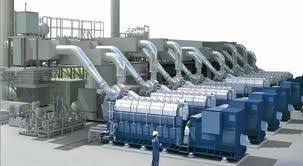
Operation, Maintenance and Testing of Diesel Power Generation Plant
Diesel power generation plants play a critical role in Nigeria’s energy landscape, providing reliable backup and primary power supply for industries, businesses, and residential estates. In a country where grid electricity remains inconsistent, diesel generators have become the backbone of continuous operations, ensuring that production, communication, and essential services are not disrupted.
However, for these systems to deliver consistent performance and safety, professionals must understand the core aspects of operation, maintenance, and testing of diesel power generation plants.
Operating a diesel power generation plant requires more than simply starting and stopping the engine. It involves an in-depth knowledge of generator design, fuel systems, lubrication, cooling, and control systems. Operators must also be familiar with load management, synchronization with other power sources, and emergency handling procedures.
Efficient operation reduces fuel consumption, minimizes emissions, and extends the life of the generator. Without skilled operators, even the best-designed plants can suffer frequent breakdowns, inefficiencies, and higher operational costs.
Maintenance is another crucial aspect of diesel power plants. Generators are mechanical systems that experience wear and tear over time. Preventive maintenance is the key to ensuring reliability and reducing downtime. This includes routine checks on filters, oil, coolant, and fuel systems, as well as periodic replacement of worn-out parts.
Predictive maintenance strategies, such as vibration analysis, infrared thermography, and oil analysis, are increasingly being adopted to detect problems before they escalate into costly failures. Nigerian industries, in particular, benefit from predictive maintenance because it reduces fuel wastage, limits emissions, and avoids expensive emergency repairs.
Testing is essential for validating the performance and readiness of diesel power generation plants. Load testing ensures that the generator can handle its rated capacity without failure. Functional testing checks the performance of key components, such as automatic transfer switches (ATS), control panels, and safety shutdown systems. Regular testing also identifies hidden issues like battery weaknesses, wiring faults, or governor malfunctions. In mission-critical sectors such as hospitals, telecoms, oil and gas, and data centers, testing provides assurance that backup power will be available the instant it is needed.
Training in the operation, maintenance, and testing of diesel power plants equips engineers, technicians, and operators with practical skills to manage these systems effectively. Courses often cover diesel engine fundamentals, generator components, fuel system design, lubrication, cooling systems, control circuits, protection systems, and environmental compliance. Hands-on workshops include troubleshooting exercises, case studies, and simulated fault conditions, giving participants the confidence to manage real-world challenges.
The importance of such training cannot be overstated. In Nigeria, fuel costs, environmental concerns, and the need for continuous operations make it vital to optimize generator performance. Poorly maintained generators consume more fuel, emit excessive pollutants, and break down more frequently, leading to financial and environmental costs. Conversely, well-trained personnel who understand preventive maintenance, condition monitoring, and testing strategies can save organizations millions in annual operating expenses.
Furthermore, with increasing emphasis on sustainability and efficiency, industries are looking at hybrid systems where diesel generators integrate with renewable energy sources such as solar and wind. Skilled professionals with knowledge of both traditional diesel systems and modern hybrid integration will be highly sought after in the coming years.
For individuals, gaining expertise in diesel power generation opens doors to lucrative careers in sectors such as oil and gas, telecommunications, manufacturing, banking, real estate, and public utilities. Employers value professionals who can guarantee reliable power supply while minimizing costs and environmental impact. Certification in this field also provides a competitive edge in both local and international job markets.
At Learnora.ng, we offer specialized training programs on operation, maintenance, and testing of diesel power generation plants. These programs are designed to meet the practical needs of Nigerian professionals and industries, combining global best practices with local realities.
Participants benefit from expert-led sessions, real-world case studies, and hands-on demonstrations that prepare them to manage and optimize generator systems effectively. Trainers and training providers can also list their diesel power plant workshops on Learnora.ng, connecting with learners who are eager to upgrade their skills and enhance their career prospects.
Diesel power generation will remain a critical component of Nigeria’s energy system for the foreseeable future. By investing in the knowledge and skills required to operate, maintain, and test these systems, industries can ensure reliability, reduce costs, and support national development. Training in this area is not just an option—it is an essential step toward building a stronger, more sustainable energy future for Nigeria.