Plumbing and Pipefitting Skills Training in Nigeria
The construction industry in Nigeria continues to expand rapidly, with increasing demand for residential housing, commercial properties, and industrial projects. At the heart of this growth is the critical need for reliable plumbing and pipefitting services. From ensuring access to clean water and proper sanitation to maintaining efficient industrial piping systems, skilled plumbers and pipefitters are indispensable in modern society.
This has made plumbing and pipefitting skills training in Nigeria an essential pathway for youths, artisans, and professionals who want to build a rewarding career or establish thriving businesses in the construction and engineering sectors.
This article explores the importance of plumbing and pipefitting training, the skills gained, opportunities available, institutions offering training in Nigeria, and how the sector continues to evolve with modern technology.
The Importance of Plumbing and Pipefitting in Nigeria
Plumbing and pipefitting form the backbone of every construction project. Whether it is installing water supply systems in homes, designing sewage systems for cities, or managing industrial pipelines for oil and gas, these skills ensure health, safety, and efficiency. In Nigeria, where rapid urbanization is fueling the need for new housing estates and infrastructure projects, the demand for trained plumbing professionals has never been higher.
Poorly executed plumbing not only causes inconvenience but can also lead to health risks, structural damage, and financial losses. Issues such as water contamination, leakages, and flooding often stem from a lack of skilled workmanship. Proper training ensures that plumbers and pipefitters understand safety standards, adopt best practices, and deliver solutions that meet both national and international standards.
Skills Acquired Through Plumbing and Pipefitting Training
A structured plumbing and pipefitting training program equips participants with technical knowledge, hands-on experience, and business skills. Core areas covered include:
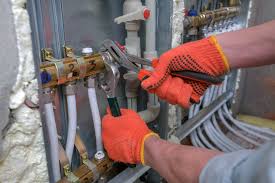
Water Supply Systems: Installation and maintenance of pipes, pumps, valves, and fixtures to ensure reliable water delivery.
Sanitation and Drainage Systems: Designing and maintaining sewage systems, septic tanks, and stormwater drainage.
Pipefitting for Industry: Installation of piping systems for oil and gas, manufacturing plants, and refineries.
Blueprint Reading and Design: Understanding construction drawings, technical specifications, and measurement standards.
Use of Tools and Equipment: Training on the safe use of cutting tools, welding machines, and testing devices.
Safety and Environmental Standards: Ensuring compliance with occupational safety standards and sustainable practices.
Troubleshooting and Repairs: Diagnosing leaks, blockages, and system failures with effective repair strategies.
Entrepreneurship and Customer Service: Building skills to start independent businesses and manage client relationships.
With these skills, trainees can confidently take on projects ranging from domestic installations to large-scale industrial pipeline systems.
Career and Business Opportunities
Plumbing and pipefitting are professions with vast opportunities in Nigeria. Trained individuals can secure jobs in construction companies, real estate development firms, oil and gas companies, water corporations, and government agencies. They are also in demand in hospitals, schools, hotels, and industries that rely on water and piping systems for daily operations.
For entrepreneurs, plumbing is one of the most practical vocations to start an independent business. With basic tools and training, a plumber can provide services directly to homeowners, property managers, and businesses. Successful plumbers often expand their businesses into full-service construction and facilities management firms.
Additionally, Nigeria’s oil and gas industry creates specialized opportunities for pipefitters, particularly in installing and maintaining pipelines for crude oil, natural gas, and petrochemical products. Professionals who undergo advanced training in industrial pipefitting are well-positioned to earn significantly higher incomes compared to domestic plumbing.
Why Demand for Plumbing and Pipefitting Training is Growing
The rising demand for plumbing and pipefitting training in Nigeria can be attributed to several factors. First is the ongoing housing deficit, which drives continuous construction of new estates, apartments, and office complexes. Every new building requires plumbing installations, creating steady demand for skilled workers.
Second, Nigeria faces challenges with water supply and sanitation infrastructure, and government initiatives often rely on professional plumbers to implement water projects in rural and urban areas. The World Health Organization (WHO) emphasizes access to clean water and proper sanitation as a fundamental public health priority, and trained plumbers are central to achieving this goal.
Third, the oil and gas sector continues to expand, with pipelines and refineries requiring constant maintenance. Skilled pipefitters are essential for ensuring safe operations in this high-risk industry.
Finally, the shift toward professional training and certification is helping Nigerians recognize plumbing and pipefitting as respected, profitable, and future-proof careers.
Institutions Offering Plumbing and Pipefitting Training in Nigeria
Several institutions and organizations provide training in plumbing and pipefitting across Nigeria. These include:
Vocational and Technical Schools: Many state and federal technical colleges offer structured plumbing programs with practical workshops.
Polytechnics and Universities: Engineering and construction-related programs often include pipefitting and water engineering modules.
Skills Acquisition Centers: Government-backed initiatives such as the National Directorate of Employment (NDE) and Industrial Training Fund (ITF) provide short-term training for youths.
Private Training Academies: Independent institutions and NGOs organize specialized courses for artisans and professionals.
Apprenticeship Systems: Many Nigerians still learn plumbing through traditional apprenticeships with master plumbers, though formal training offers a more comprehensive foundation.
Some international organizations also partner with Nigerian institutions to provide certifications aligned with global standards, giving trainees an edge in both local and international markets.
Challenges Facing the Plumbing Sector in Nigeria
Despite its potential, the plumbing and pipefitting industry in Nigeria faces several challenges. Many artisans lack formal training, resulting in substandard work. Access to modern tools and technology is limited, making it difficult to meet international standards. The informal nature of the profession also affects recognition and regulation, leading to inconsistent pricing and quality of services.
However, with the rise of structured training programs and the government’s increasing focus on vocational education, these challenges are being addressed gradually. Certification programs now help distinguish trained professionals from unskilled workers, improving trust and raising industry standards.
The Future of Plumbing and Pipefitting in Nigeria
The future of plumbing and pipefitting in Nigeria is promising, particularly with advancements in technology and growing awareness of environmental sustainability. Smart plumbing systems, water-saving fixtures, and green building technologies are gradually being introduced into the Nigerian market. Professionals trained in these modern methods will be well-positioned to take advantage of new opportunities.
Furthermore, as Nigeria embraces industrialization and infrastructure development, the role of pipefitters in large-scale projects will become even more significant. Training programs that incorporate digital tools, environmental practices, and advanced engineering techniques will shape the next generation of professionals in this field.
Plumbing and pipefitting skills training in Nigeria is more than just a vocational program—it is a pathway to financial independence, career growth, and national development. With the increasing demand for safe water systems, modern housing, and industrial pipelines, skilled plumbers and pipefitters are critical to Nigeria’s progress.
By equipping participants with technical expertise, business knowledge, and modern best practices, training programs open doors to diverse opportunities in construction, real estate, oil and gas, and entrepreneurship. For Nigerian youths and professionals seeking a rewarding career in a field that will always be relevant, plumbing and pipefitting offer an excellent choice.