
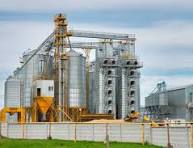
Process Plant Start-up and Commissioning Trainings on Leanora.ng
Process plants are complex systems that require careful planning, precise execution, and rigorous safety measures before they can be brought online. Whether it is a refinery, petrochemical plant, power generation facility, water treatment system, or food processing factory, the start-up and commissioning phase is the bridge between project completion and full-scale operation. This stage is often the most critical in the lifecycle of any process plant, as mistakes during start-up can lead to costly delays, equipment damage, safety incidents, and even environmental hazards.
To ensure that process plants transition smoothly from construction to operation, professionals must be adequately trained in start-up and commissioning practices. On Leanora.ng, organizations and individuals can access specialized training programs that provide a comprehensive understanding of commissioning activities, operational readiness, safety compliance, and troubleshooting. These trainings are designed to equip engineers, operators, technicians, and project managers with the knowledge and skills necessary to guarantee successful plant start-ups.
The Importance of Start-up and Commissioning
Start-up and commissioning are the final but crucial stages of project execution. Commissioning involves a systematic approach to verifying that all components of a process plant—mechanical, electrical, instrumentation, and control systems—have been designed, installed, tested, and operated according to specified requirements. Start-up follows commissioning and involves bringing the plant to a state of stable operation for production.
Both processes are critical because they serve as the ultimate test of whether the design intent of the plant has been met. Commissioning identifies potential faults before full operation begins, ensuring that systems are functional, safe, and reliable. Start-up provides the first opportunity to run the plant as an integrated unit, confirm process performance, and evaluate operator readiness. Inadequate preparation at this stage can cause severe setbacks, from costly equipment failures to workplace accidents and regulatory violations.
What the Training Covers
Process plant start-up and commissioning training begins with an overview of project lifecycle stages and the role of commissioning in ensuring project success. Participants are introduced to planning methodologies, scheduling techniques, and documentation requirements, which are critical for smooth execution. A detailed understanding of pre-commissioning activities, such as cleaning, flushing, system integrity checks, loop testing, and equipment calibration, forms the foundation of the training.
The training also focuses on commissioning management, which involves developing commissioning strategies, checklists, and test procedures. Learners are guided on how to manage interfaces between disciplines such as mechanical, electrical, instrumentation, and process engineering. They also study how to implement safety reviews, conduct hazard and operability studies (HAZOPs), and comply with occupational health and safety standards.
During the start-up phase, trainees are introduced to operational readiness assessments, system energization, and the sequencing of process operations. They learn start-up philosophies, including cold and hot commissioning, step-by-step energization, and gradual introduction of process fluids. Troubleshooting skills are developed to identify and address common problems such as equipment vibration, process instability, leaks, or instrumentation malfunctions.
Another core part of the training is risk management. Participants are trained to anticipate start-up challenges, evaluate potential hazards, and implement mitigation measures. Case studies from real-life projects are often used to highlight lessons learned from successful and failed start-ups, reinforcing the importance of safety, teamwork, and meticulous planning.
Occupational safety is integrated throughout the training. This includes confined space entry, working at heights, handling hazardous chemicals, lockout-tagout procedures, fire protection, and emergency response planning. Emphasis is placed on ensuring the safety of personnel and the environment during commissioning activities, as these are times when abnormal operating conditions are more likely to occur.
Maintenance and handover procedures are also addressed. Trainees learn how to document commissioning results, prepare as-built records, and transition responsibility from the commissioning team to the operations team. This ensures continuity of knowledge and minimizes the risks of operational disruption.
Benefits of Start-up and Commissioning Training
Training in process plant start-up and commissioning delivers wide-ranging benefits for individuals and organizations. It improves safety performance by equipping personnel with the skills to identify and control hazards associated with commissioning activities. It enhances efficiency by reducing the likelihood of delays, rework, and unplanned downtime during the transition to full operation. Properly trained staff also ensure compliance with international standards and regulatory frameworks, which protects organizations from fines and reputational damage.
From a financial perspective, training reduces overall project costs by preventing equipment damage, process upsets, and operational inefficiencies. For individuals, participation in start-up and commissioning training significantly improves career opportunities, as industries across oil and gas, power, chemicals, and water sectors place high value on professionals with commissioning expertise.
Who Should Attend the Training?
These training programs are essential for a broad spectrum of professionals involved in industrial projects. Engineers in mechanical, process, chemical, electrical, and instrumentation disciplines benefit from gaining a holistic understanding of commissioning activities. Project managers and construction supervisors find the training valuable in managing timelines, budgets, and safety compliance. Plant operators and technicians develop the skills needed to handle start-up operations effectively. Safety officers also gain insights into the unique hazards of commissioning and how to implement safety controls. Even quality assurance and procurement specialists benefit from learning how to verify equipment readiness and compliance before handover.
Why Choose Leanora.ng for Training?
Leanora.ng is Nigeria’s premier online platform connecting learners with industry-specific training opportunities. For professionals seeking start-up and commissioning training, Leanora.ng offers access to a wide range of programs led by experienced trainers and institutions. The platform allows learners to explore multiple training options, compare costs, and select programs that suit their needs. Whether the training is delivered online, in-person, or as a hybrid, Leanora.ng ensures accessibility and convenience. Certificates obtained from these programs add credibility to professional profiles and enhance career progression.
For trainers, Leanora.ng offers a unique advantage: the ability to list training programs for free. This allows commissioning specialists, consultants, and training institutions to reach a nationwide audience of professionals eager to upgrade their skills. Trainers can manage course details, schedules, and participant enrollment easily while building a strong reputation in the industry.
Emerging Trends in Start-up and Commissioning
The landscape of process plant commissioning is evolving rapidly with technological advancements. Digital commissioning tools are increasingly being used to automate testing, documentation, and reporting. Virtual simulations and digital twins allow commissioning teams to rehearse start-up operations in a virtual environment before implementation, reducing the risk of errors. Remote monitoring technologies are making it possible for experts to guide commissioning activities without being physically present at the plant site.
There is also a growing emphasis on sustainability, with training programs now focusing on energy efficiency, emissions reduction, and environmentally responsible commissioning practices. Hybrid learning models are also becoming popular, blending classroom instruction with practical workshops and simulation-based training. These trends highlight the need for continuous learning and adaptation, making platforms like Leanora.ng critical for keeping professionals up to date.
Process plant start-up and commissioning represent one of the most challenging but rewarding phases of any industrial project. Success at this stage requires technical expertise, strong safety awareness, meticulous planning, and effective teamwork. Training programs dedicated to start-up and commissioning provide professionals with the knowledge and confidence to manage these critical activities, ensuring smooth transitions from project completion to full-scale operations.
Leanora.ng makes it easier than ever to access high-quality start-up and commissioning training. Learners can explore a variety of courses tailored to their industries, while trainers can freely list their training programs and reach a wider professional audience. Whether you are an engineer, operator, technician, or manager, investing in start-up and commissioning training will enhance your career and contribute to the safe and efficient operation of industrial plants.
Access process plant start-up and commissioning trainings today on Leanora.ng, and if you are a trainer, take advantage of the free listing feature to showcase your expertise.