
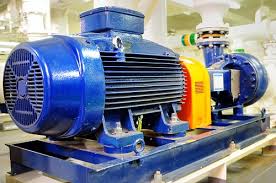
Pumps and Compressors: Operation, Maintenance and Troubleshooting
Pumps and compressors are the beating heart of countless industrial processes, ensuring that fluids and gases are transported, pressurized, and distributed efficiently. From oil and gas to petrochemicals, manufacturing, water treatment, food processing, and power generation, these machines are indispensable to daily operations.
In Nigeria, where industries are rapidly modernizing and demand for energy and process reliability is increasing, expertise in the operation, maintenance, and troubleshooting of pumps and compressors is critical for engineers, technicians, and plant operators.
Pumps are designed to move liquids, while compressors are built to increase the pressure of gases. Both play vital roles in industrial systems. For instance, centrifugal pumps are commonly used in water supply and oil transport, while reciprocating compressors are key in natural gas processing and storage. Without these machines, production lines, refineries, and utilities would come to a halt. Their efficiency directly affects plant performance, energy consumption, and operational costs.
Operating pumps and compressors requires a clear understanding of their principles and design features. For pumps, this includes knowledge of head, flow rate, cavitation, and Net Positive Suction Head (NPSH). Operators must ensure proper priming, alignment, and lubrication to avoid early failure. Compressors, on the other hand, involve principles of pressure ratios, volumetric efficiency, and thermal management. Safe operation includes monitoring suction and discharge pressures, cooling systems, and vibration levels.
Incorrect operation often leads to problems such as cavitation in pumps or overheating in compressors, both of which can cause costly damage and downtime. Skilled operators ensure that machines are run within their design limits, safeguarding reliability and efficiency.
Preventive and predictive maintenance are essential for extending the lifespan of pumps and compressors. Routine maintenance includes checking seals, bearings, gaskets, and lubrication systems. In pumps, seal leaks and impeller wear are common issues that need regular attention. For compressors, valve wear, lubrication problems, and cooling inefficiencies must be addressed to prevent breakdowns.
Predictive maintenance techniques such as vibration analysis, oil analysis, and thermography are increasingly being used in Nigerian industries. These methods help identify early signs of wear or misalignment, allowing corrective action before failure occurs. Well-maintained pumps and compressors not only last longer but also reduce energy consumption, which is particularly valuable in industries seeking cost savings and sustainability.
Despite best practices, pumps and compressors can develop faults. Troubleshooting is the process of diagnosing and fixing these problems quickly to minimize downtime. For pumps, common issues include cavitation, air entrainment, loss of prime, seal leakage, and reduced capacity. Compressors often experience problems such as pressure fluctuations, overheating, abnormal vibrations, or lubrication failure.
Effective troubleshooting requires systematic analysis, using tools such as pressure gauges, flow meters, vibration sensors, and infrared cameras. Skilled professionals learn to interpret machine symptoms, analyze root causes, and apply corrective measures—whether it is adjusting alignment, replacing seals, or recalibrating valves.
Safety is central to working with pumps and compressors. High pressures, rotating parts, and flammable fluids or gases pose significant risks. Operators must use personal protective equipment (PPE), follow lockout/tagout procedures, and comply with regulatory standards. In industries like oil and gas, where pumps and compressors handle volatile materials, strict adherence to safety protocols is non-negotiable.
For professionals, mastering the operation, maintenance, and troubleshooting of pumps and compressors is more than a technical skill—it is a career advantage. Trained personnel are highly valued by employers because they reduce downtime, enhance safety, and optimize performance. Training courses typically cover fluid mechanics, thermodynamics, equipment design, preventive maintenance, failure analysis, and real-world troubleshooting exercises.
Hands-on training is particularly important, as working with actual equipment allows participants to gain practical experience. In Nigeria, industries are increasingly seeking certified technicians and engineers who can apply both theoretical knowledge and practical expertise to ensure operational excellence.
In the Nigerian oil and gas, power, and manufacturing sectors, pumps and compressors are mission-critical assets. Breakdowns can cause production halts, environmental hazards, and financial losses. With the government and private sector investing in industrial infrastructure, the demand for skilled operators and maintenance professionals continues to grow. Engineers and technicians who can operate, maintain, and troubleshoot pumps and compressors are at the forefront of Nigeria’s industrial growth.
At Learnora.ng, we provide access to specialized training programs on pumps and compressors: operation, maintenance, and troubleshooting. These courses are designed to equip professionals with practical, job-ready skills that meet both global standards and Nigerian industry needs. Learners gain hands-on knowledge of maintenance strategies, troubleshooting methods, and safety practices, while also building the confidence to handle real-life challenges.
Trainers and training providers can also list their pump and compressor courses on Learnora.ng, reaching a wide audience of professionals eager to enhance their skills.
Pumps and compressors may be behind the scenes, but they are at the core of industrial productivity. Their operation, maintenance, and troubleshooting require skilled professionals who understand both the science and the practice of keeping them running smoothly. By investing in training, Nigerian industries can improve efficiency, reduce downtime, and strengthen their competitive edge.
For individuals, mastering these skills opens doors to rewarding careers across multiple sectors. Learnora.ng is committed to bridging the skills gap by providing world-class training programs that prepare engineers and technicians for the future of industrial operations.