
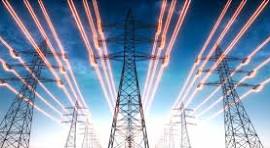
Training Course on Utility Distribution System Planning in Nigeria
Efficient and reliable electrical distribution is a critical component of modern infrastructure and industrial operations. In Nigeria, where power systems are expanding to meet growing industrial, commercial, and residential demands, the need for skilled professionals in utility distribution system planning is increasingly important.
The Utility Distribution System Planning Training in Nigeria offered through Leanora.ng equips engineers, planners, and technical professionals with the knowledge and practical skills required to design, optimize, and manage electrical distribution networks effectively.
This training focuses on the technical, operational, and strategic aspects of distribution system planning. Participants learn to balance system reliability, cost-effectiveness, and regulatory compliance while implementing solutions that meet the growing energy demands of urban and industrial centers.
Importance of Utility Distribution System Planning
A well-planned utility distribution system ensures consistent power delivery, minimizes outages, and supports industrial and economic growth. In Nigeria, distribution systems face challenges such as aging infrastructure, rapid urbanization, fluctuating demand, and technical losses. Skilled professionals who can plan, design, and optimize these systems are essential to improving operational efficiency and service reliability.
Utility distribution system planning addresses critical areas such as load forecasting, network design, voltage regulation, protective device coordination, and system expansion. Proper planning reduces technical losses, optimizes equipment utilization, and ensures compliance with national and international standards.
Who Should Attend the Training
The training is suitable for a wide range of professionals involved in the operation, planning, and management of electrical distribution networks, including:
Electrical engineers and utility planners
Power system analysts and designers
Distribution network operators and supervisors
Maintenance engineers and technical managers
Graduate engineers seeking specialized skills in power systems
Facility and operations managers responsible for electrical reliability
The course is designed to provide both foundational knowledge for beginners and advanced strategies for experienced professionals involved in utility system planning.
What the Training Covers
The Utility Distribution System Planning Training provides participants with comprehensive instruction on designing, analyzing, and optimizing electrical distribution networks. Key topics include:
Introduction to Distribution Systems – Participants learn about the components, structure, and operation of electrical distribution networks. This includes feeders, substations, transformers, protective devices, and end-user connections.
Load Forecasting and Demand Analysis – The course covers techniques for predicting electricity demand based on historical data, growth projections, and consumption patterns. Accurate forecasting is essential for system design, capacity planning, and ensuring reliability.
Distribution Network Design – Participants explore methods for designing efficient networks, including radial, loop, and networked configurations. Training covers optimal conductor sizing, substation placement, and feeder layout to minimize losses and enhance reliability.
Voltage Regulation and Power Quality – Participants learn to manage voltage levels, mitigate voltage drops, and address power quality issues such as harmonics, sags, and swells. Proper voltage regulation ensures stable and safe power delivery to consumers.
Protective Device Coordination – The course emphasizes designing and coordinating protective devices, including circuit breakers, relays, and fuses. Correct coordination prevents equipment damage, enhances safety, and ensures selective fault isolation.
System Expansion and Reliability Planning – Participants are trained to plan network expansions to accommodate future growth while maintaining system reliability and minimizing costs. Techniques include contingency planning, redundancy design, and reliability analysis.
Load Flow Analysis and Optimization – The training introduces methods for analyzing load distribution, identifying bottlenecks, and optimizing network performance. Participants learn to balance loads across feeders and reduce technical losses.
Maintenance and Operational Planning – The course covers preventive, predictive, and corrective maintenance strategies, ensuring that equipment remains reliable and service interruptions are minimized.
Regulatory Compliance and Standards – Participants gain knowledge of Nigerian and international standards governing utility distribution systems. Compliance with standards ensures safety, reliability, and legal adherence.
Practical Exercises and Case Studies – Hands-on exercises and real-world case studies are incorporated to provide participants with practical experience in planning, analyzing, and optimizing utility distribution networks.
Benefits of the Training
For individuals, this training enhances technical competence, analytical skills, and professional credibility. Participants gain the ability to plan, design, and optimize distribution systems, anticipate potential issues, and implement solutions that improve reliability and efficiency.
For organizations, having trained professionals improves operational efficiency, reduces outages, minimizes losses, and ensures that networks meet current and future demand. Effective planning also supports cost optimization, compliance, and long-term infrastructure sustainability.
Relevance to Nigerian Industries
Nigeria’s growing urban centers, industrial hubs, and expanding power infrastructure make skilled utility distribution planners essential. Industries such as manufacturing, oil and gas, telecommunications, and commercial services rely on consistent and reliable electricity supply for uninterrupted operations.
Professionals trained in utility distribution system planning are capable of optimizing network performance, minimizing downtime, and implementing cost-effective solutions. Their expertise supports industrial growth, reduces operational risks, and enhances service quality for residential and commercial users.
Who Benefits from the Training?
Electrical engineers, network planners, utility supervisors, maintenance managers, and operations staff benefit most from this training. Participants acquire practical knowledge and skills to plan and manage distribution systems effectively, ensuring reliability and compliance.
Graduate engineers and early-career professionals seeking specialization in power system planning gain valuable hands-on experience, preparing them for roles in design, operations, and management of electrical networks.
Why Choose Leanora.ng for Utility Distribution System Planning Training?
Leanora.ng provides access to high-quality training in utility distribution system planning tailored for Nigerian professionals. The platform connects learners with experienced trainers who deliver practical, interactive, and comprehensive sessions that combine theoretical knowledge with real-world applications.
Flexible virtual and in-person training options allow participants to learn without interrupting their work schedules. Leanora.ng certification enhances professional credibility, preparing participants to manage complex electrical distribution systems effectively.
For trainers, Leanora.ng offers a free platform to list utility distribution planning courses, enabling them to reach professionals nationwide seeking specialized skills in power system planning and optimization. Trainers can expand their visibility, demonstrate expertise, and engage with learners across multiple sectors.
Trends in Distribution System Planning
Electrical distribution planning continues to evolve with advancements in technology and operational strategies. Key trends include:
Smart Grid Integration – Incorporating smart meters, sensors, and automation to improve monitoring, control, and reliability.
Renewable Energy Integration – Planning networks to accommodate solar, wind, and other renewable energy sources while maintaining system stability.
Predictive and Data-Driven Planning – Using data analytics and software modeling tools to optimize network design and performance.
Digital Twins and Simulation – Creating digital replicas of distribution networks to simulate operations, test scenarios, and plan expansions effectively.
Energy Efficiency and Loss Reduction – Implementing design and operational strategies to minimize technical and non-technical losses.
Keeping up with these trends ensures that trained professionals can implement efficient, reliable, and future-ready distribution systems.
The Utility Distribution System Planning Training in Nigeria equips engineers, network planners, and facility managers with the knowledge and practical skills required to design, optimize, and manage electrical distribution networks. Participants gain expertise in load forecasting, network design, voltage regulation, protective device coordination, and system expansion, ensuring efficient and reliable electricity supply.
For individuals, this training enhances technical skills, analytical capabilities, and career prospects. For organizations, it ensures optimal network performance, reduces downtime, minimizes losses, and supports sustainable infrastructure development.
Through Leanora.ng, learners can access utility distribution system planning training and many other professional development courses, while trainers can list their programs for free to reach professionals across Nigeria seeking practical, industry-relevant skills.
Advance your career and develop expertise in power system planning by enrolling in the Utility Distribution System Planning Training on Leanora.ng, and if you are a trainer, list your courses for free to reach learners nationwide.