Workshop on Machinery Failure, Vibration Analysis and Predictive Maintenance
In today’s fast-paced industrial environment, machinery reliability is at the core of operational success. Industries such as oil and gas, power generation, cement, manufacturing, and mining rely heavily on rotating equipment like turbines, pumps, compressors, and motors.
When these machines fail, the cost is not just in repair and replacement, but also in lost production, safety risks, and reduced competitiveness. This is why training programs such as a Workshop on Machinery Failure, Vibration Analysis, and Predictive Maintenance are crucial for engineers, maintenance personnel, and technical managers in Nigeria.
Machinery failure rarely happens without warning. Most breakdowns are preceded by subtle signals—unusual vibration, heat, noise, or reduced efficiency—that go unnoticed or misdiagnosed. When left unchecked, these indicators can escalate into catastrophic failures. The ability to identify these early warning signs, analyze root causes, and apply predictive techniques can save industries millions in downtime costs while enhancing overall safety and productivity.
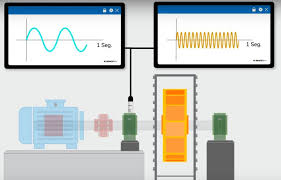
One of the most effective tools for diagnosing equipment health is vibration analysis. Every machine has a normal vibration signature, and deviations from this baseline indicate problems such as imbalance, misalignment, bearing defects, or gear wear. By using vibration monitoring tools and interpreting spectra, engineers can pinpoint issues before they develop into major breakdowns. This predictive approach reduces unplanned shutdowns and allows organizations to schedule maintenance when it is truly needed, rather than relying on rigid schedules or waiting for failures.
Predictive maintenance goes beyond vibration analysis. It incorporates technologies such as infrared thermography for detecting overheating, ultrasonic testing for leaks, oil analysis for lubrication issues, and condition monitoring sensors that provide real-time data. In Nigeria’s industrial context, where spare parts and repairs can be expensive and supply chains uncertain, predictive maintenance helps organizations extend equipment lifespan and make smarter investment decisions.
Workshops focused on machinery failure and predictive maintenance provide hands-on training in these technologies. Participants learn to analyze failure modes, identify the root causes of breakdowns, and apply systematic troubleshooting techniques.
Real-world case studies from Nigerian industries highlight how poor maintenance practices often lead to repetitive failures, while predictive maintenance strategies transform operations. Such workshops also emphasize the importance of data collection, digital monitoring systems, and integrating predictive tools with enterprise asset management (EAM) software for better decision-making.
The benefits of attending this kind of training are far-reaching. Engineers and maintenance personnel gain practical diagnostic skills, boosting their confidence and efficiency on the job. Organizations benefit from reduced downtime, lower repair costs, improved safety, and optimized production output. For Nigeria, where industries are striving to meet global standards and attract foreign investment, adopting predictive maintenance practices positions companies as competitive, reliable, and future-ready.
Moreover, predictive maintenance aligns perfectly with the ongoing global shift towards Industry 4.0. Smart factories and digital transformation rely on sensors, IoT, and AI-driven analytics to keep equipment running smoothly. Nigerian industries that embrace these technologies early will enjoy a significant advantage in operational excellence, energy efficiency, and cost control.
For professionals, expertise in machinery failure analysis and predictive maintenance is more than just a technical skill—it is a career booster. Companies value engineers and technicians who can ensure reliability, prevent failures, and implement modern maintenance strategies. Certifications from reputable training workshops enhance employability and open doors to leadership roles in operations and maintenance management.
At Learnora.ng, we provide access to specialized courses and workshops in machinery failure, vibration analysis, and predictive maintenance. These programs are designed to meet the needs of Nigerian industries, blending global best practices with local relevance. Participants benefit from expert-led training, practical case studies, and knowledge that can be applied immediately in the workplace.
Trainers and training providers can also list their workshops on Learnora.ng, reaching a wide audience of engineers, plant managers, and technical officers eager to upgrade their skills.
Machinery reliability is not just about fixing problems after they occur—it is about preventing them before they happen. By mastering vibration analysis and predictive maintenance, Nigerian industries can reduce risks, improve efficiency, and unlock greater profitability.
A workshop on machinery failure and predictive maintenance is more than a training session—it is an investment in the future of both professionals and industries.